


Boys + Girls Clubs of Metro Louisiana
Covington, la
Boys + Girls Clubs of Metro Louisiana
Covington, la

CLIENT: BOYS + GIRLS CLUBS OF METRO LOUISIANA | LOCATION: COVINGTON, LA

Angel Nelson President + CEO Boys + Girls Clubs of Metro Louisiana
“From day one, the Greenleaf team has shown great design talent and a true understanding of our needs as a nonprofit. Because our project depends heavily on fundraising, every dollar matters. Greenleaf has worked closely with us to prioritize what is essential, maximize the value of our resources, and develop a design that reflects our vision while staying true to our mission of promoting academic success, healthy lifestyles, and strong character in the youth we serve.”
Click on the image to enlarge. If viewing on a mobile device, please rotate your screen once the image is clicked to display full-screen.
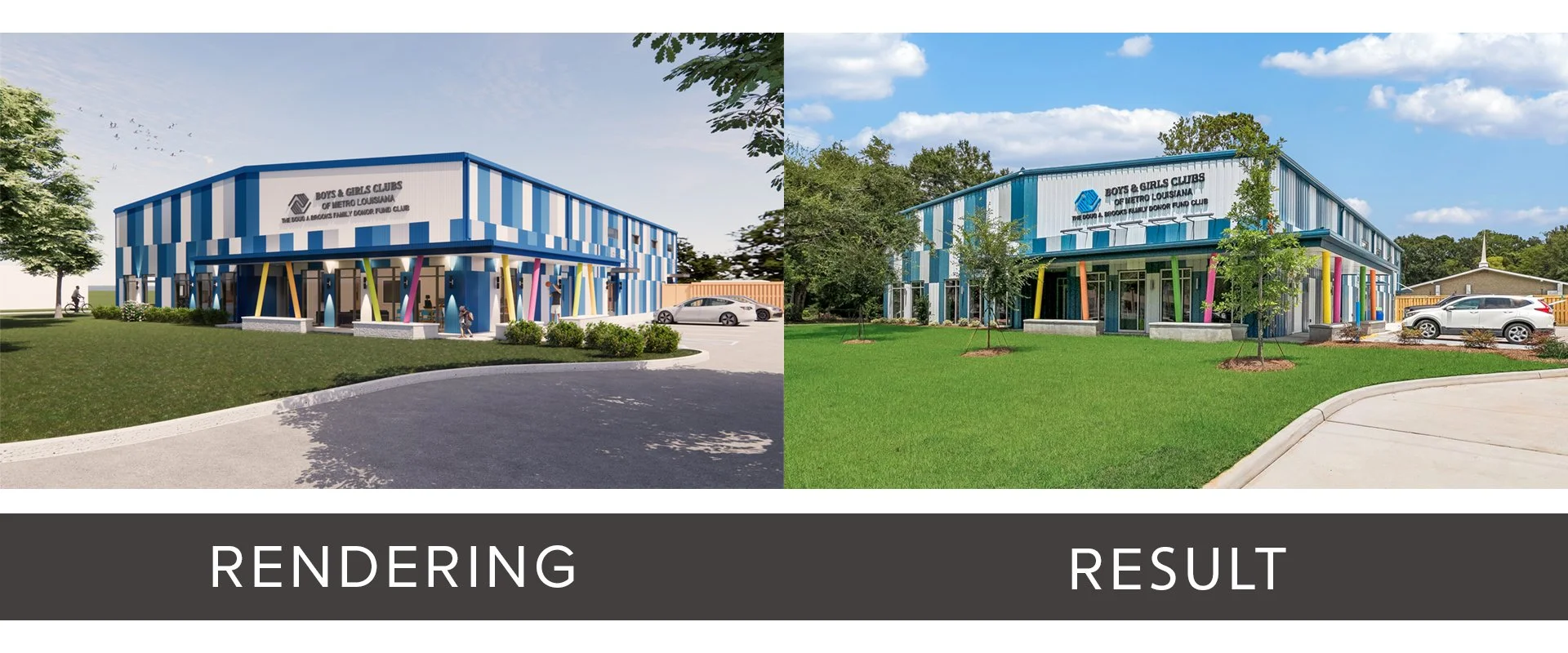
Boys + Girls Clubs of Metro Louisiana needed a permanent Northshore facility capable of supporting academic enrichment, recreation, mentorship, after-school programs, summer programming, and the relationships at the center of the organization's work with children and teens.
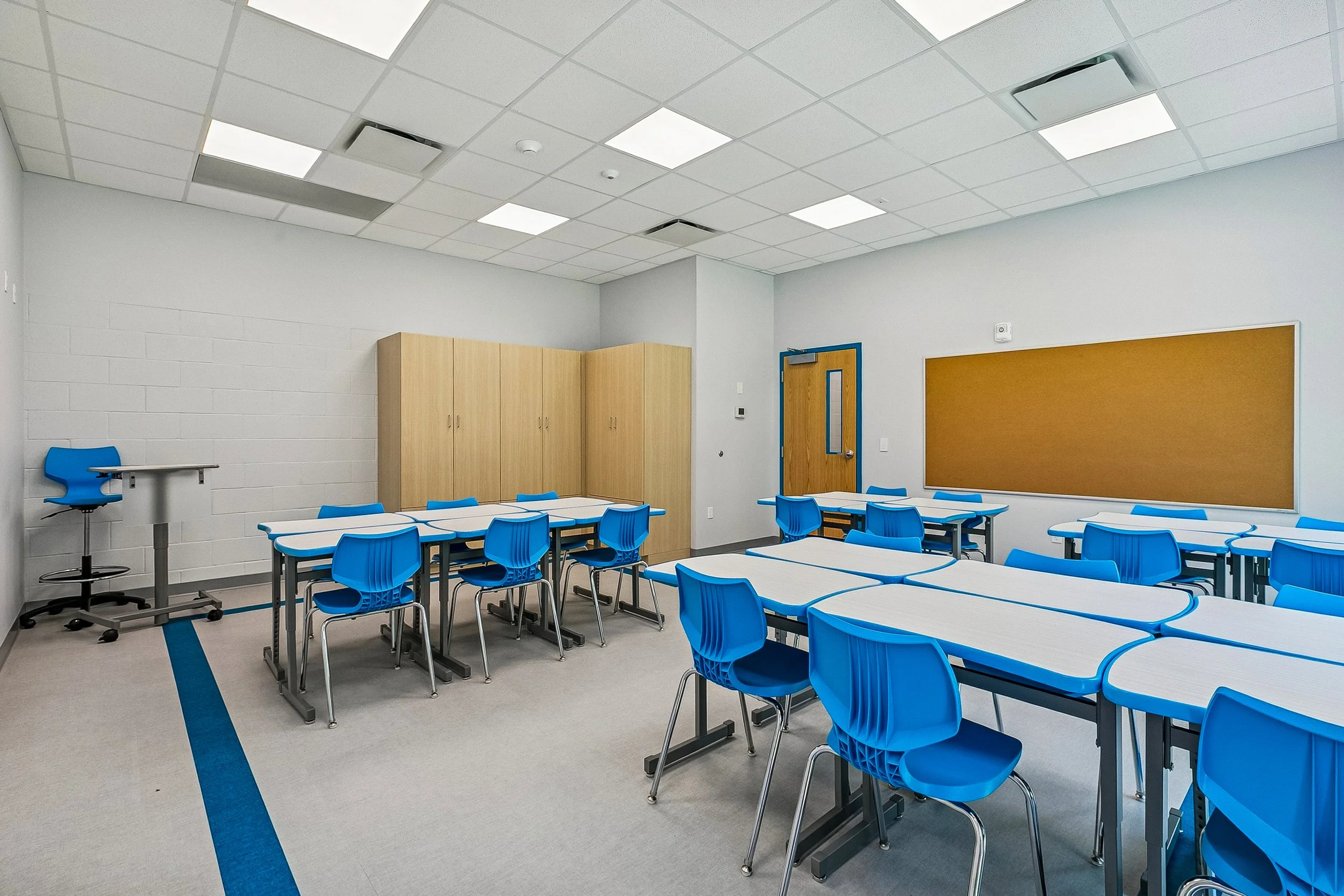
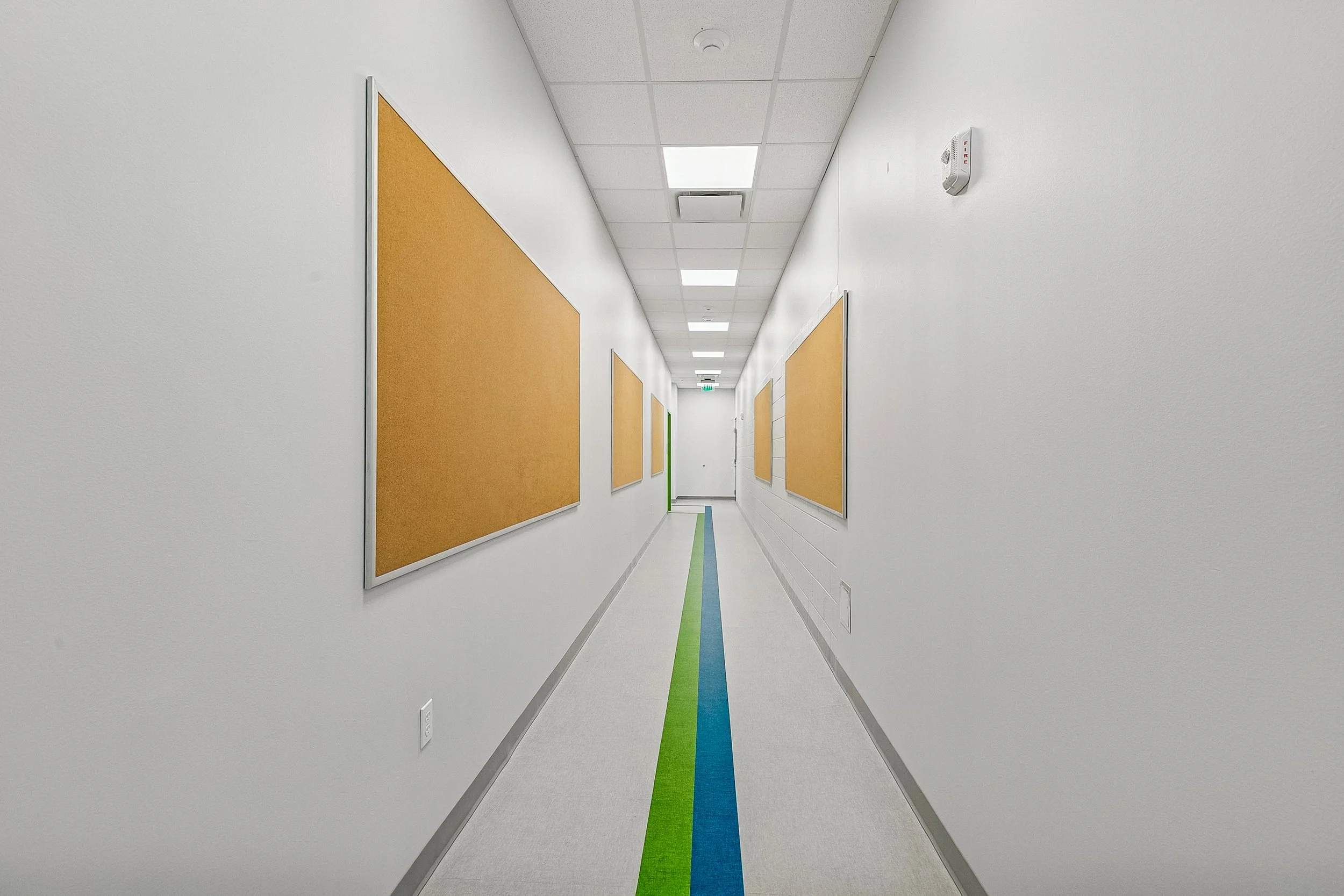
Designed from the ground up, the Covington Clubhouse brings those programs together within a facility serving youth ages 6 through 18. Flexible classrooms support tutoring, academic enrichment, and educational programming, while a full-size gym provides space for sports, fitness, teamwork, and larger group activities. Recreational areas give members places to play and connect with friends, while a café-style commons creates a central gathering space within the building.
The design also balances the identity of a local community facility with the nationally recognized Boys + Girls Clubs organization. The architecture responds to the character of the Northshore while maintaining a clear connection to the broader organization and its mission of supporting academic success, healthy lifestyles, and strong character development. Budget and fundraising were major considerations throughout the project. As a nonprofit organization, Boys + Girls Clubs relies heavily on donations and community support to both construct its facilities and operate its programs. Every dollar invested in the building had to be used carefully.
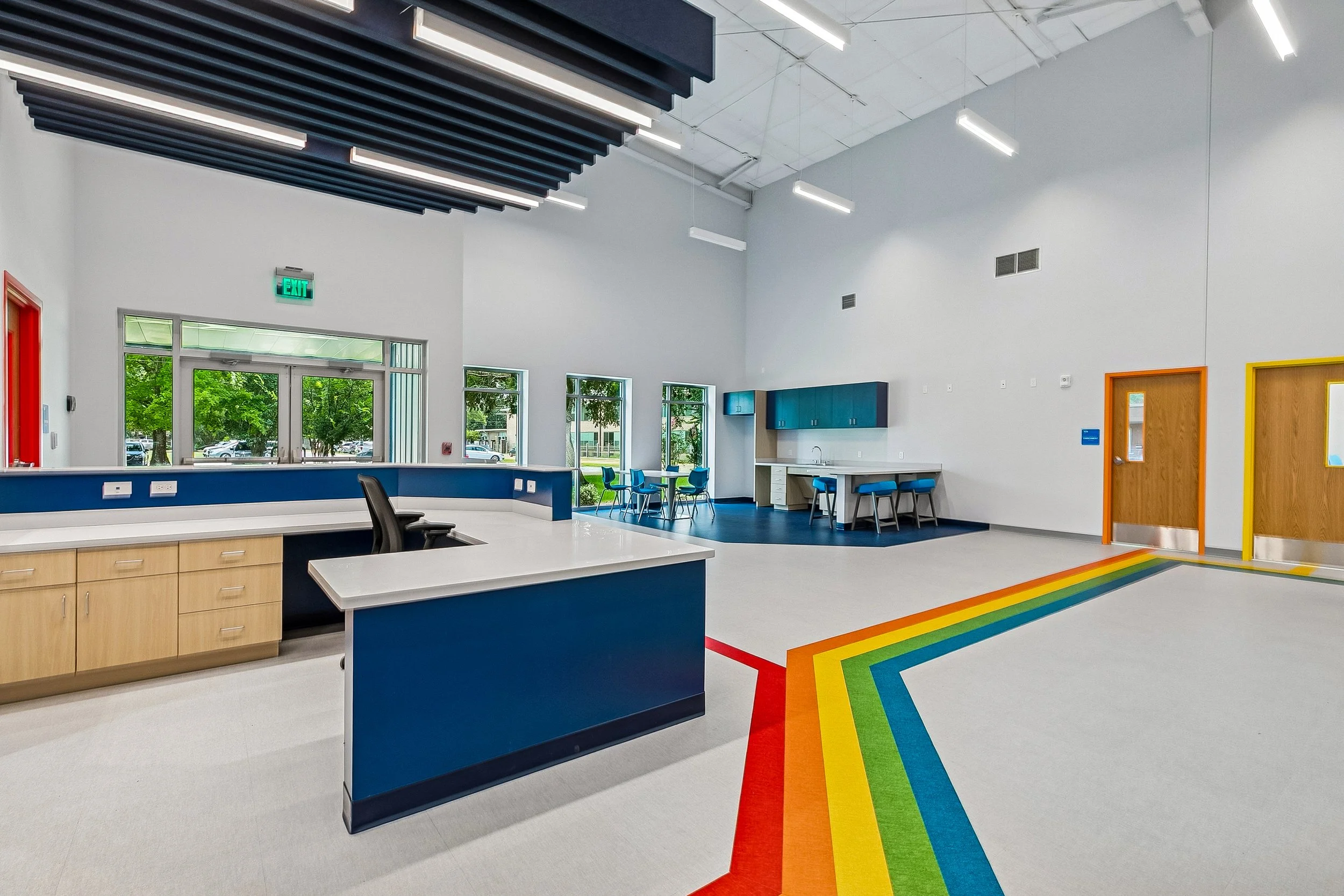
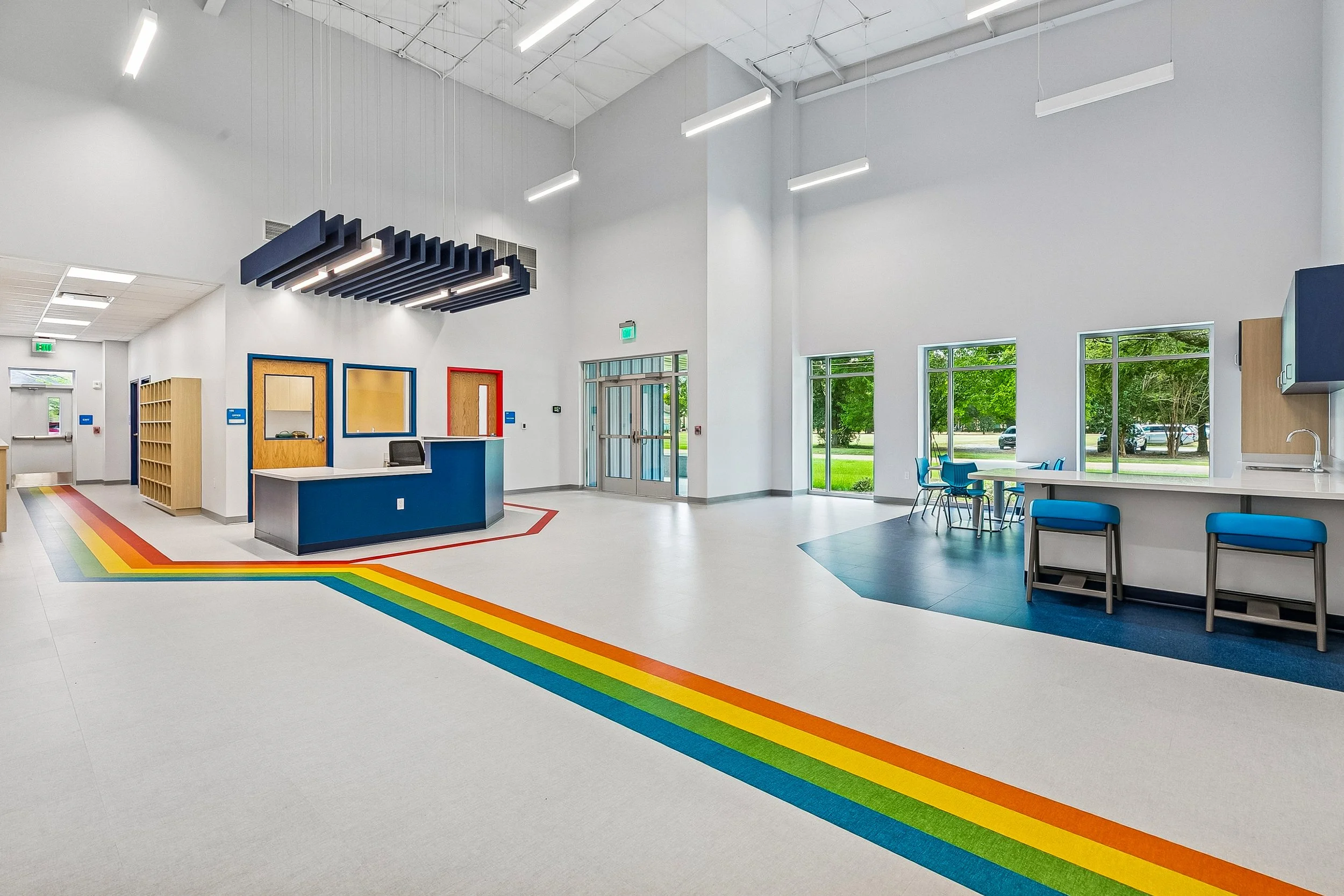
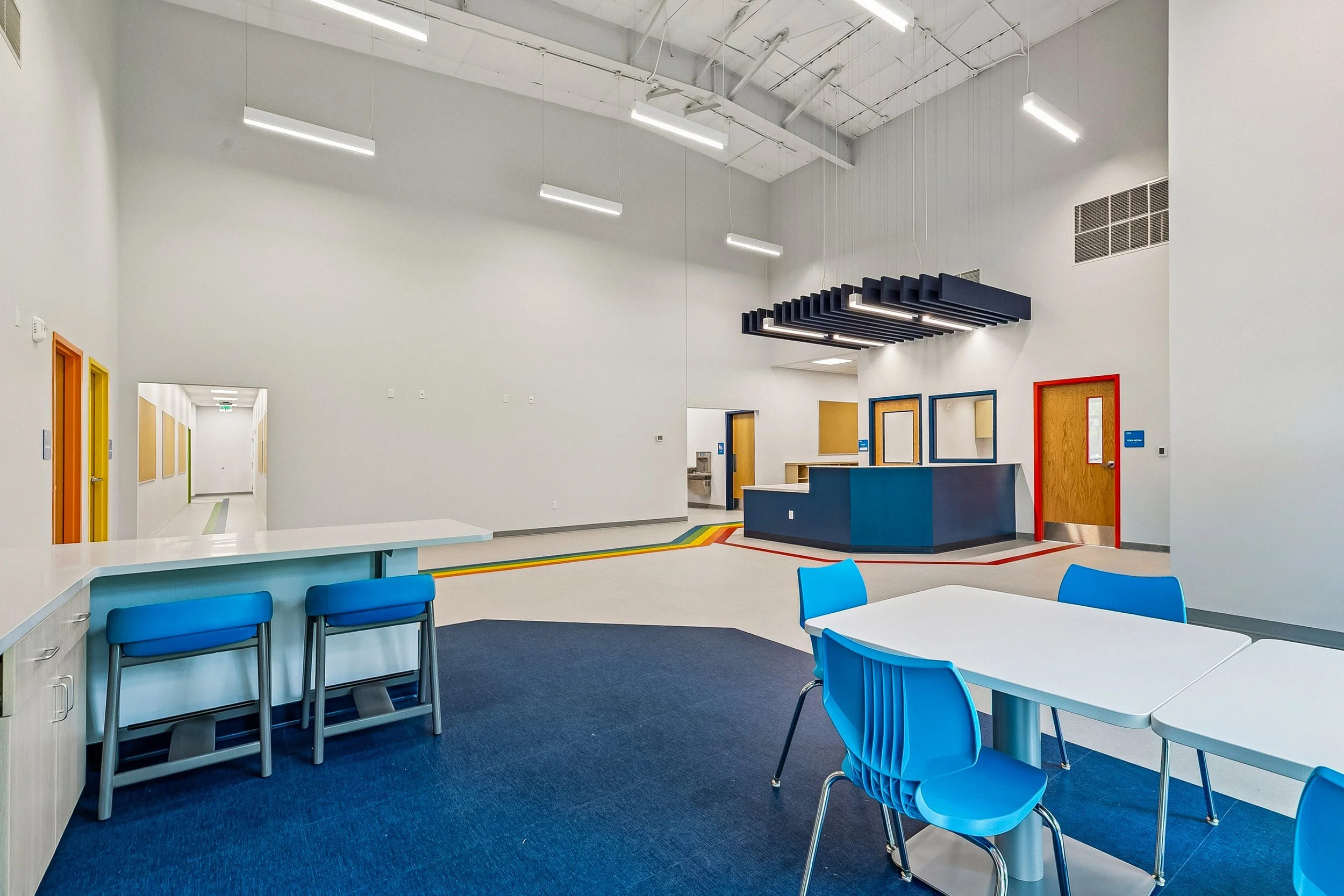
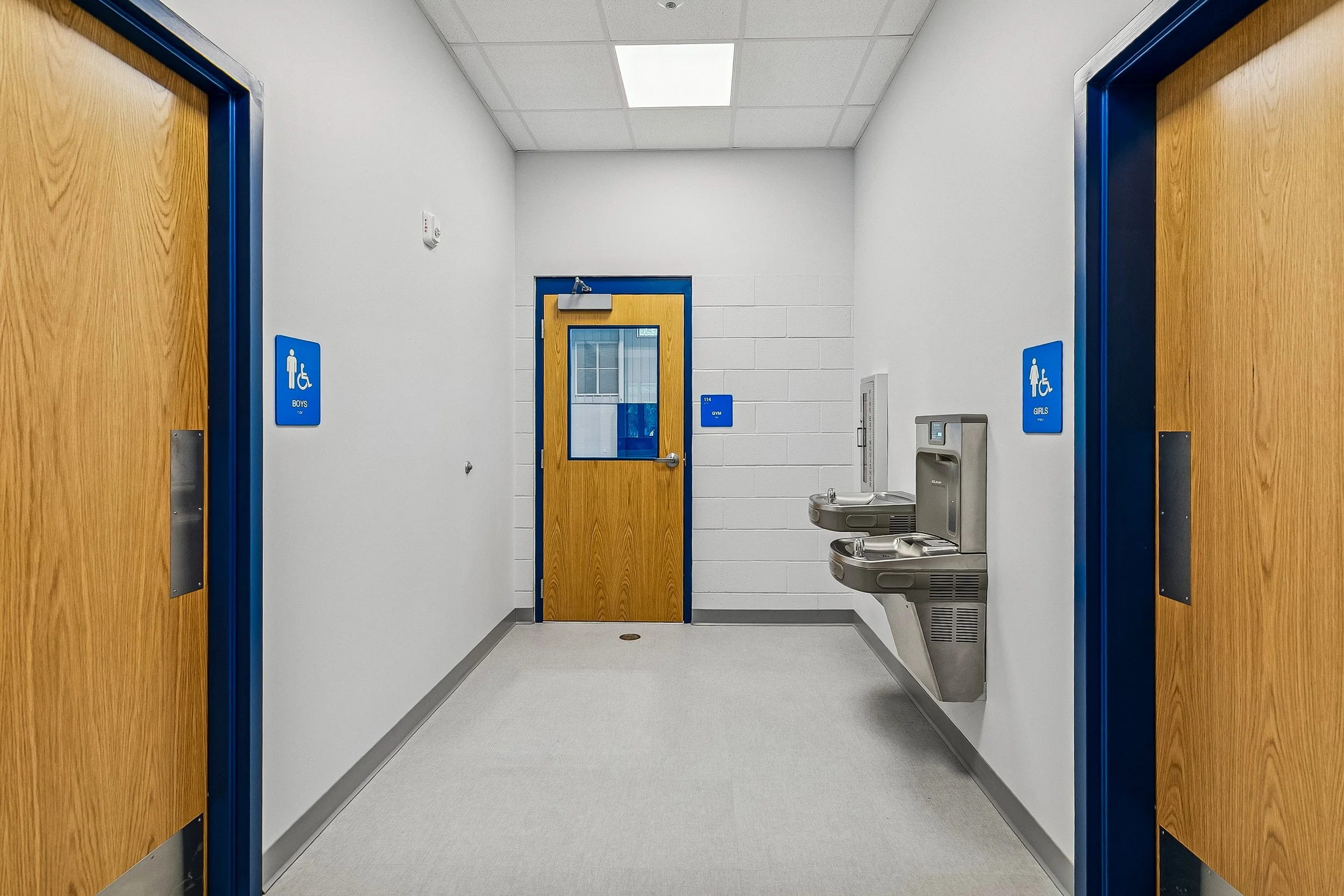
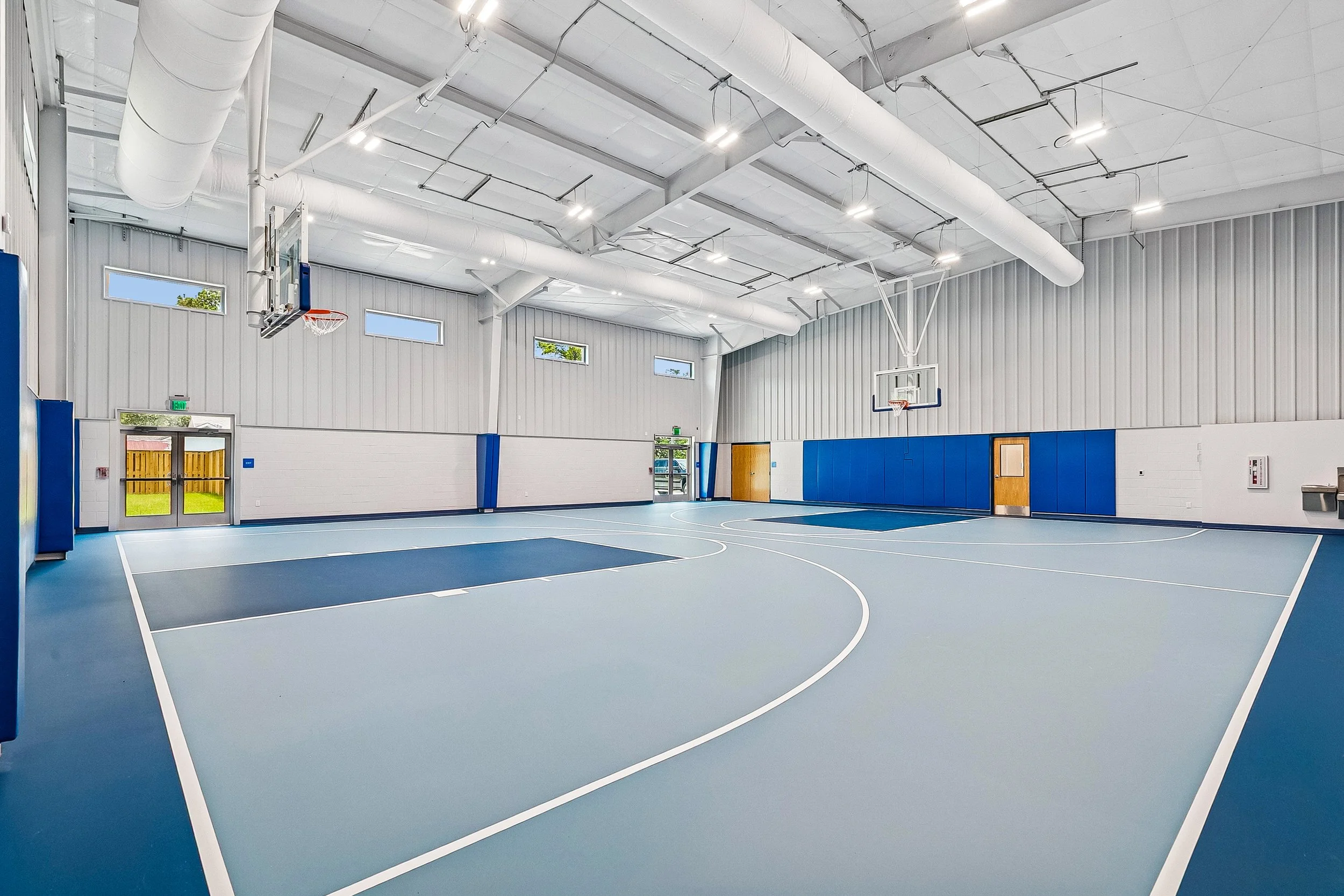
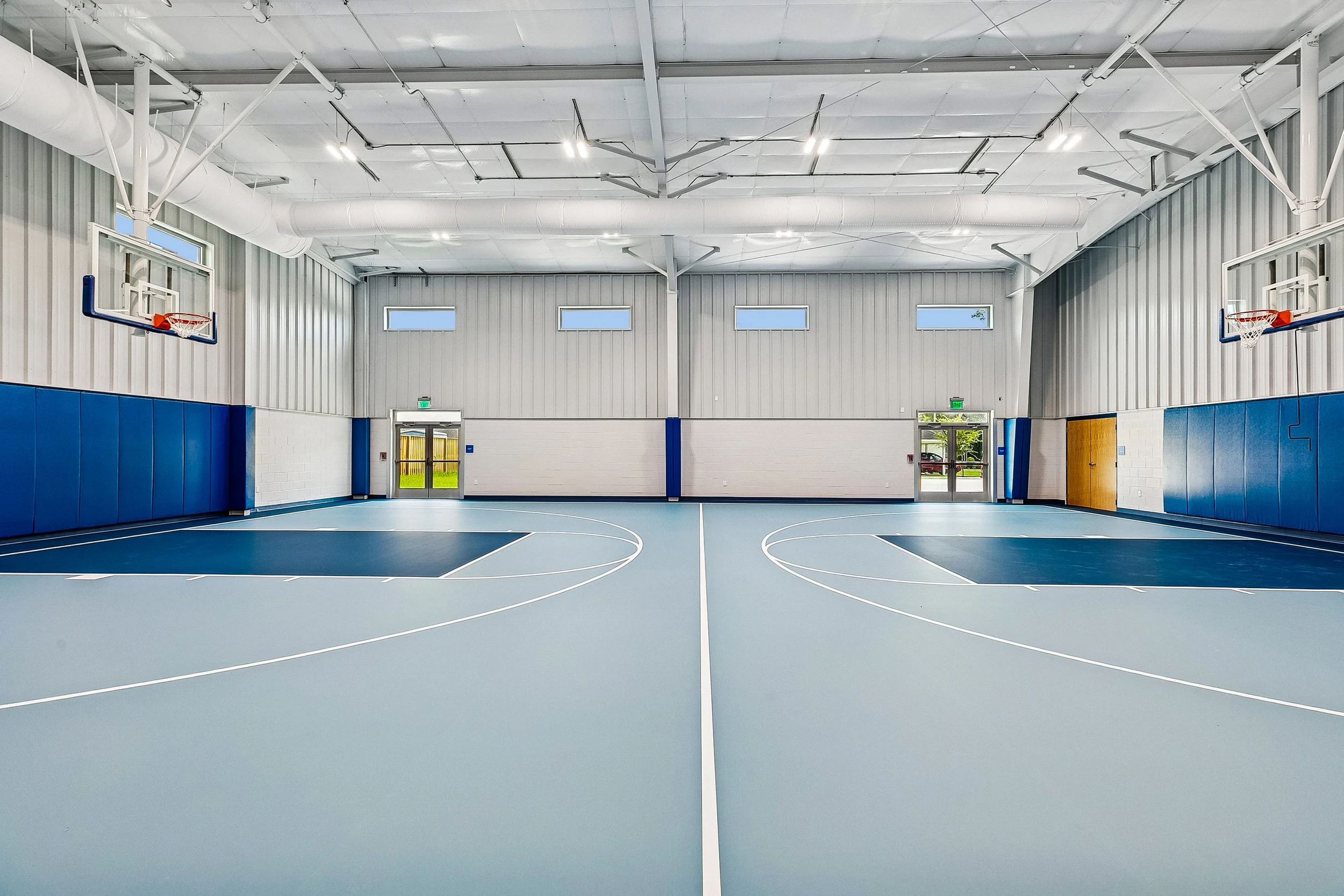
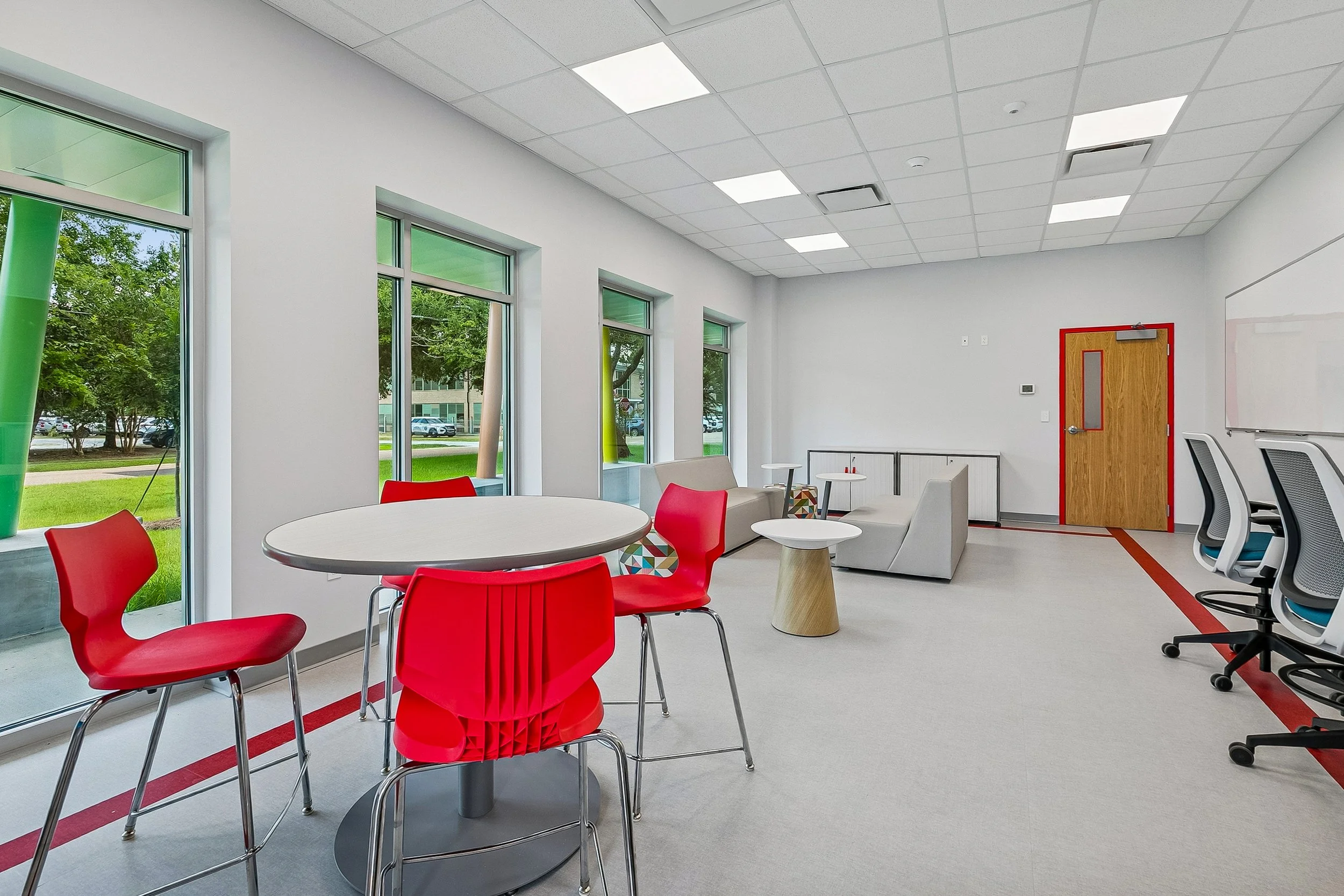
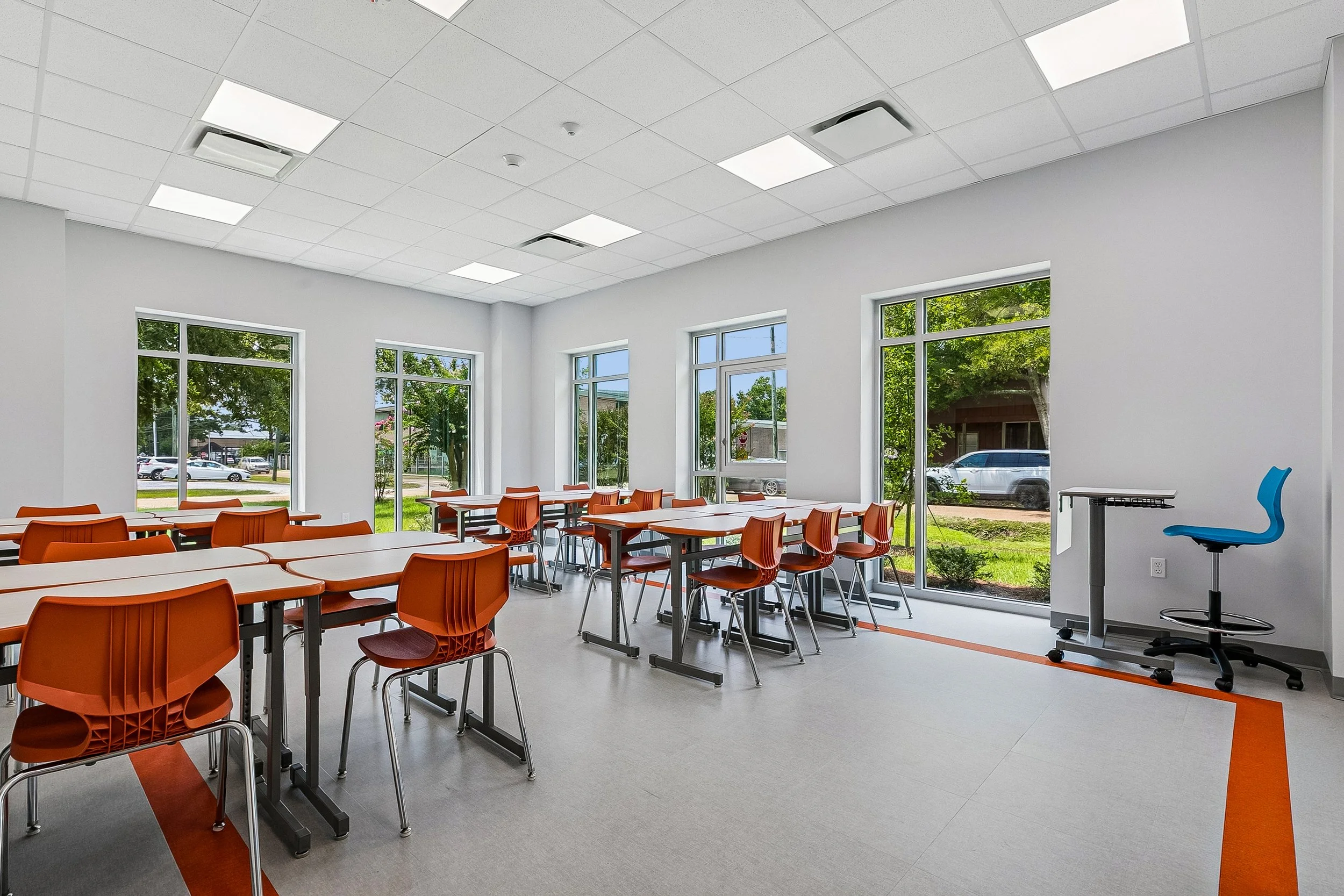
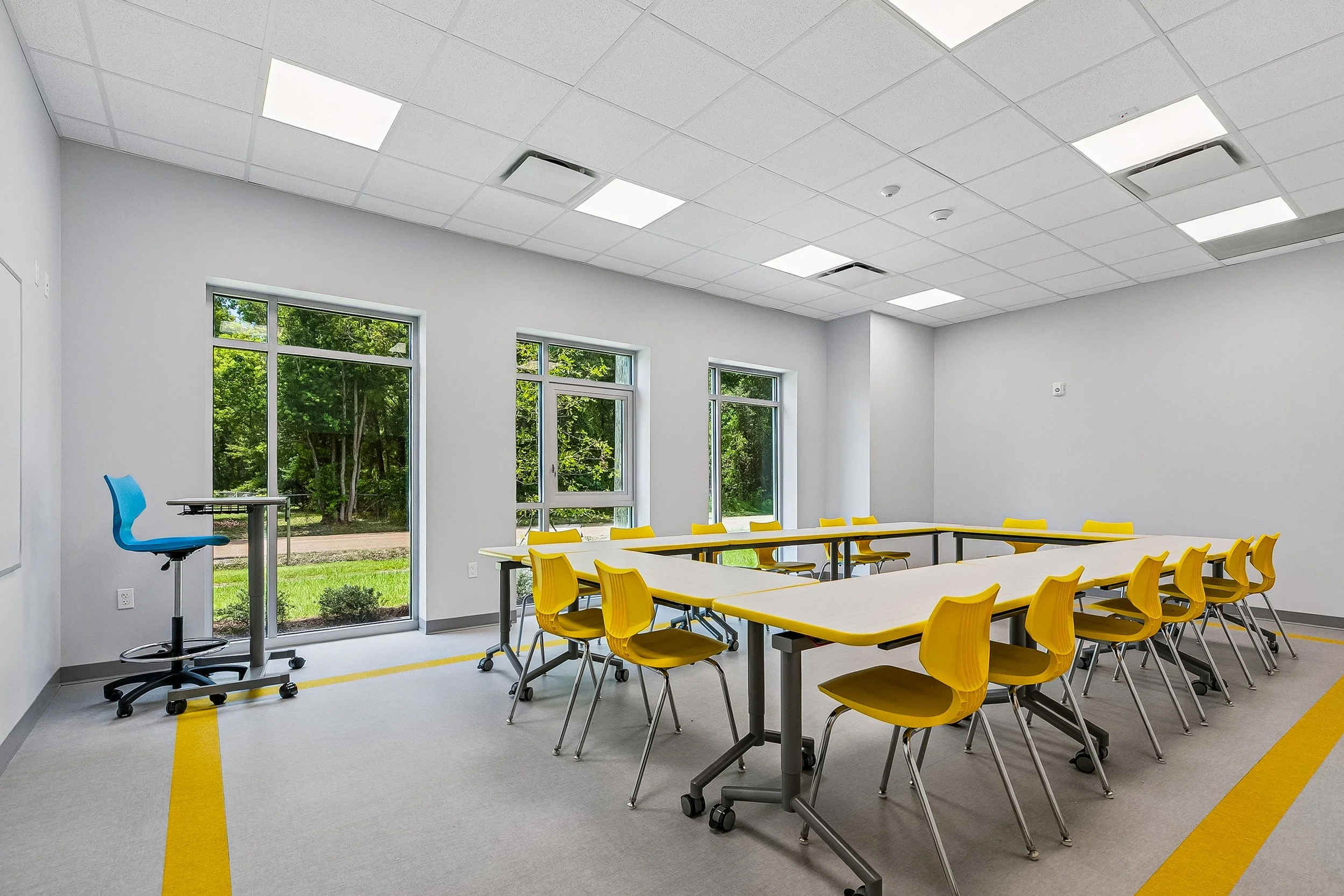
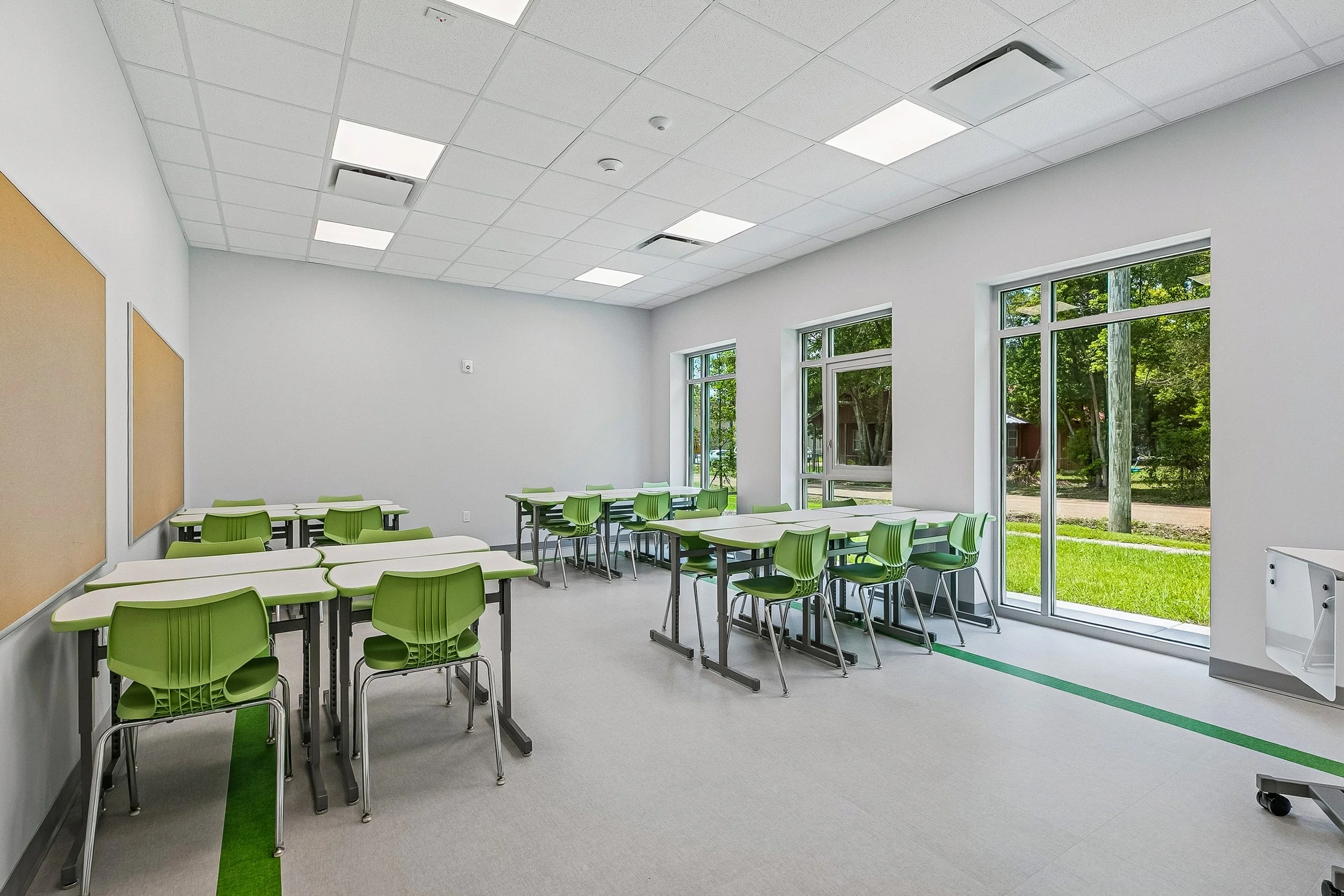
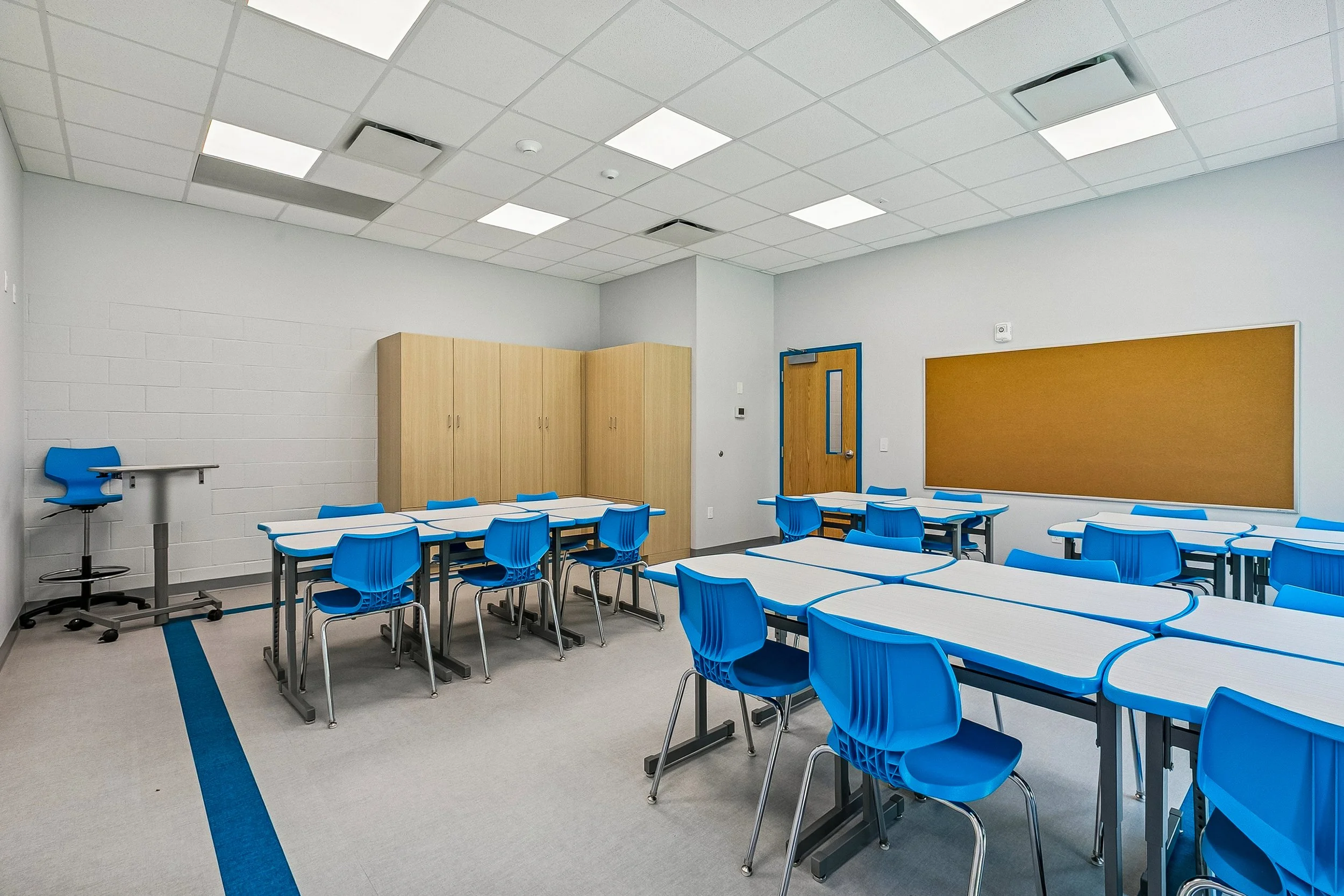
Greenleaf worked closely with the organization to prioritize the spaces and features most important to its mission, evaluate materials and systems for both initial cost and long-term durability, and continually look for ways to preserve the program without adding unnecessary construction expense. The goal was not simply to make the building less expensive. It was to maximize what the organization could accomplish with the resources available to it.
That approach continued through bidding, where the project returned below the established budget. More importantly, the resulting design directs the organization's construction dollars toward the classrooms, recreation, athletics, gathering spaces, and support functions that directly serve the children and families who will use the Club. The project gives Boys + Girls Clubs of Metro Louisiana a purpose-built Northshore home designed around its programs, its community, and the responsibility that comes with making every donated dollar count.












































































Magnolia Trace Elementary
MANDEVILLE, LA
Magnolia Trace Elementary
MANDEVILLE, LA

CLIENT: ST. TAMMANY PARISH SCHOOL BOARD | LOCATION: MAGNOLIA TRACE ELEMENTARY SCHOOL
Click on the image to enlarge. If viewing on a mobile device, please rotate your screen once the image is clicked to display full-screen.
Growth at Magnolia Trace Elementary created a need for more classroom space, but expanding an active elementary school required a solution that could do much more than simply add square footage. Greenleaf Architects, in collaboration with Domain Architecture, worked closely with St. Tammany Parish School Board and school administration to develop a multi-phase transformation of the campus that addressed enrollment growth, improved existing learning environments, and allowed students and faculty to remain on campus throughout construction.
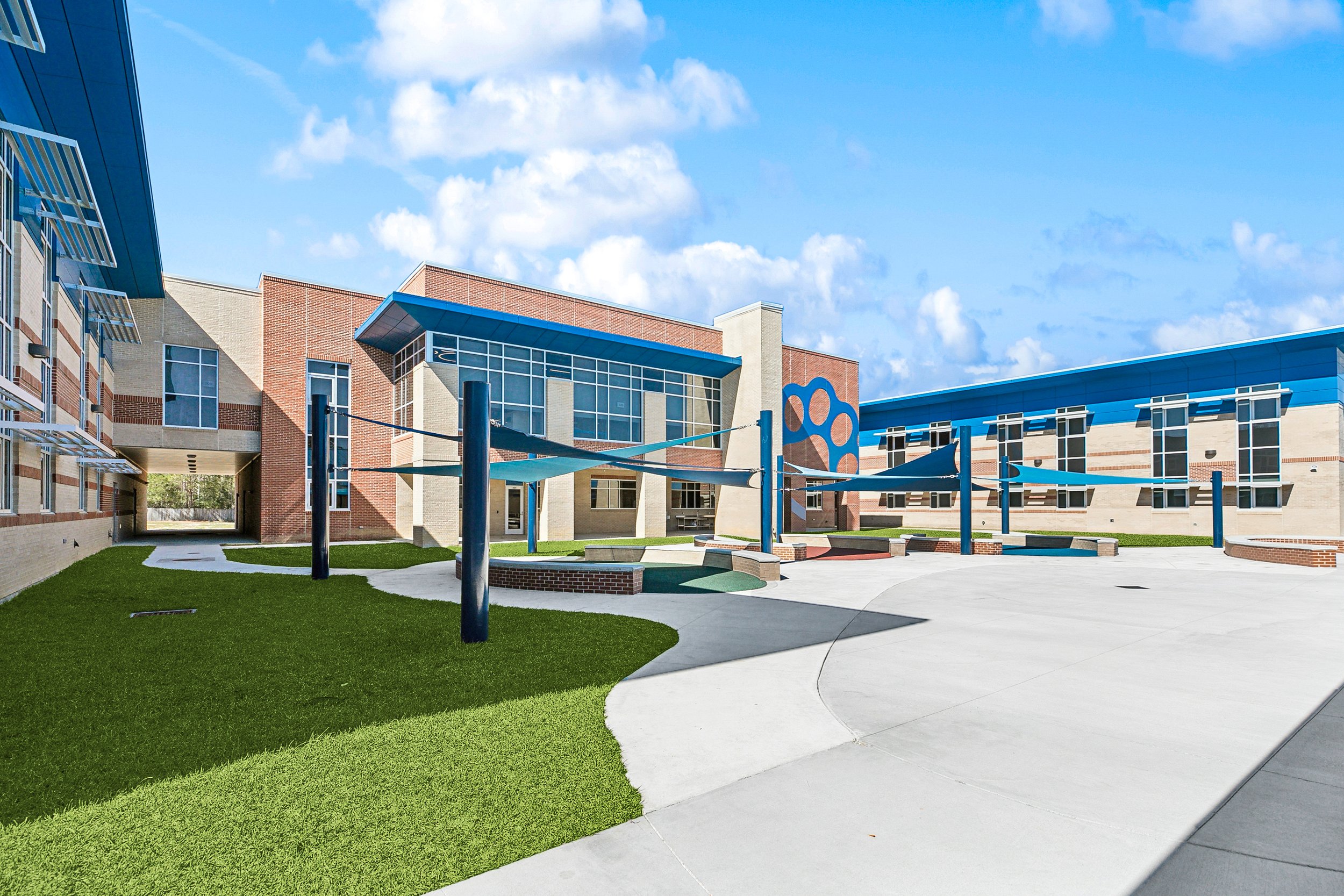
At the center of the project is a new 64,000-square-foot, two-story addition providing 48 classrooms primarily serving the school's second and third grade students. The addition allowed aging modular classroom facilities to be removed and replaced with permanent learning spaces designed around the long-term needs of the campus. Construction was carefully phased so existing classrooms could remain operational until replacement spaces were ready, minimizing disruption to the school day and maintaining an uninterrupted learning environment.


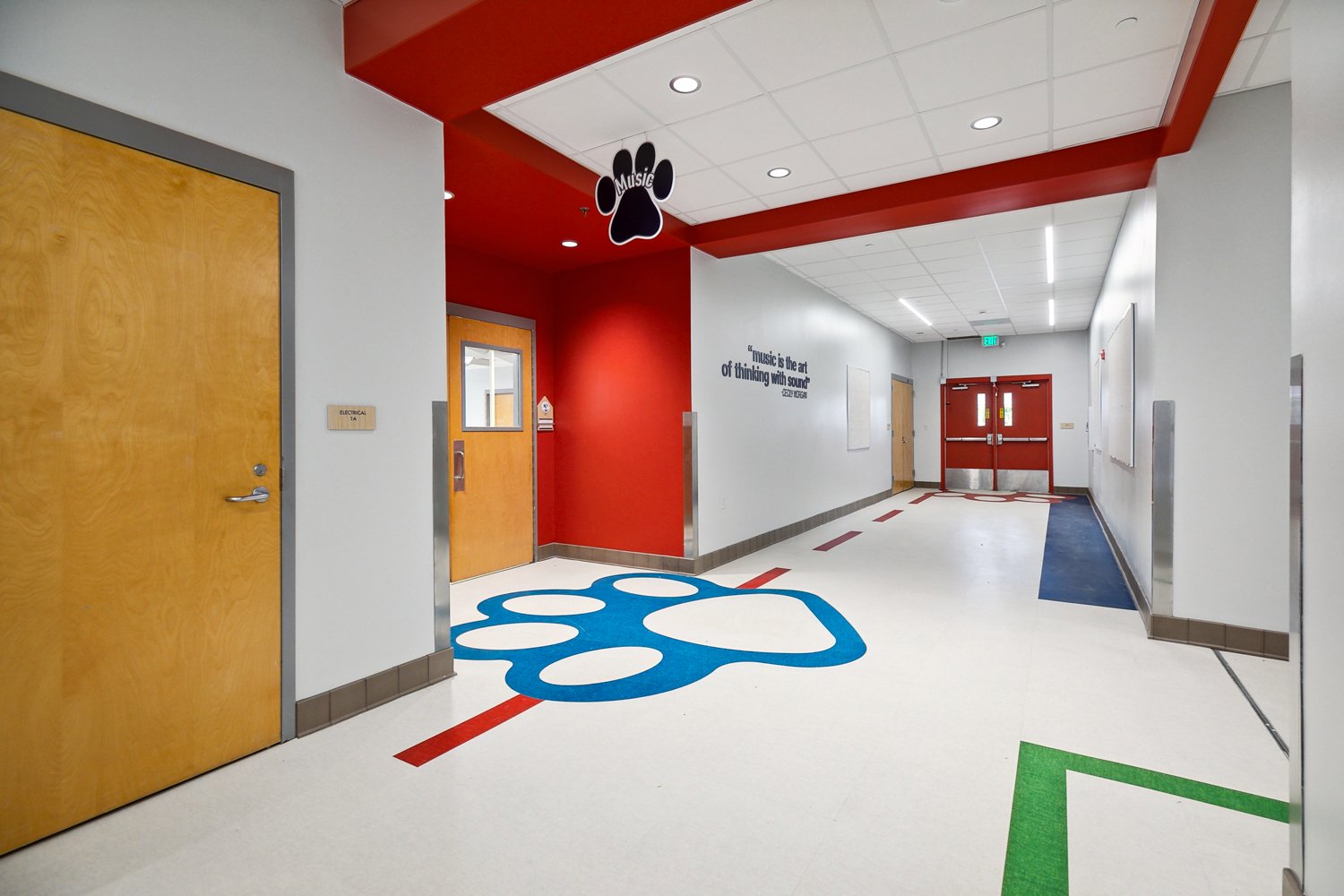

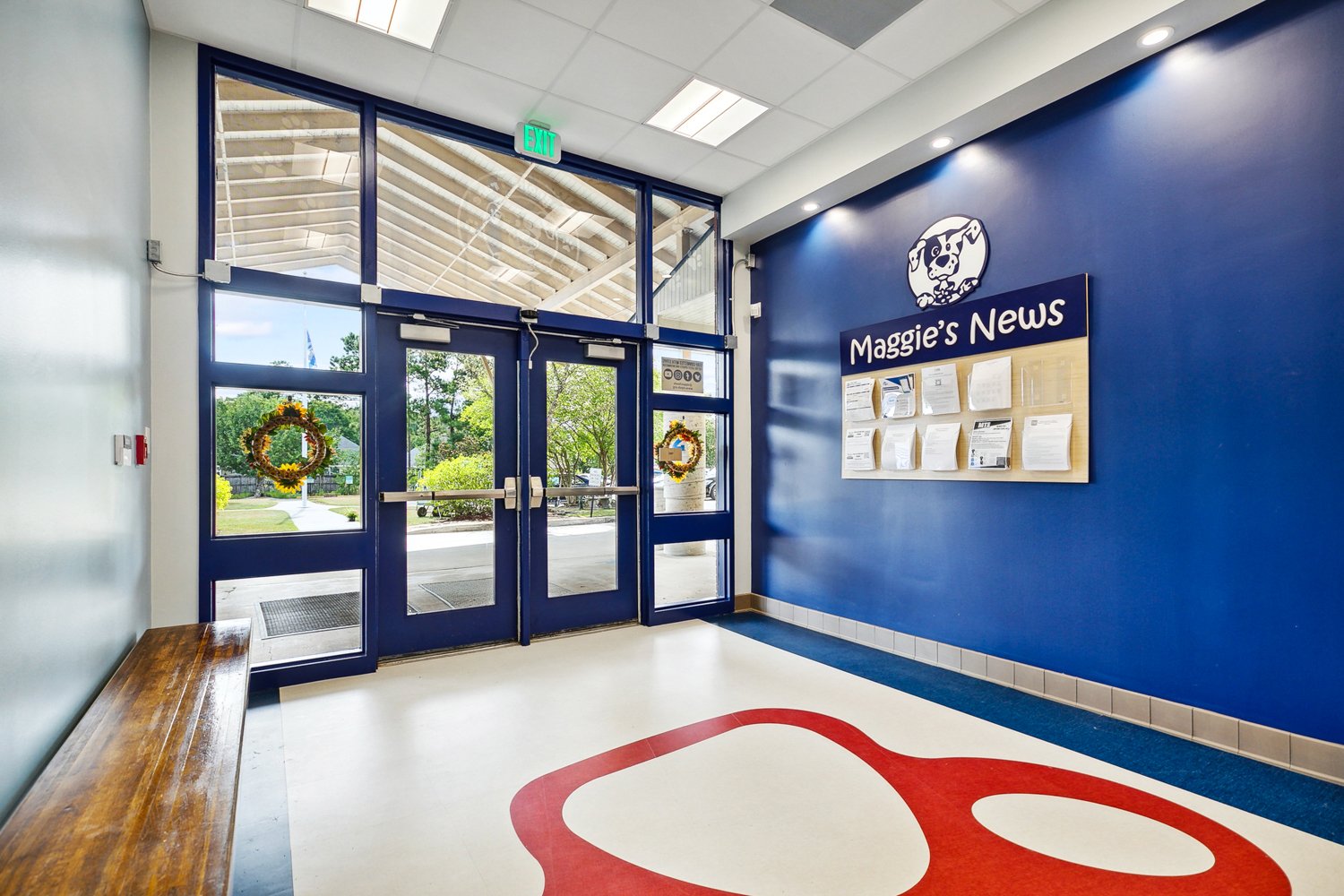

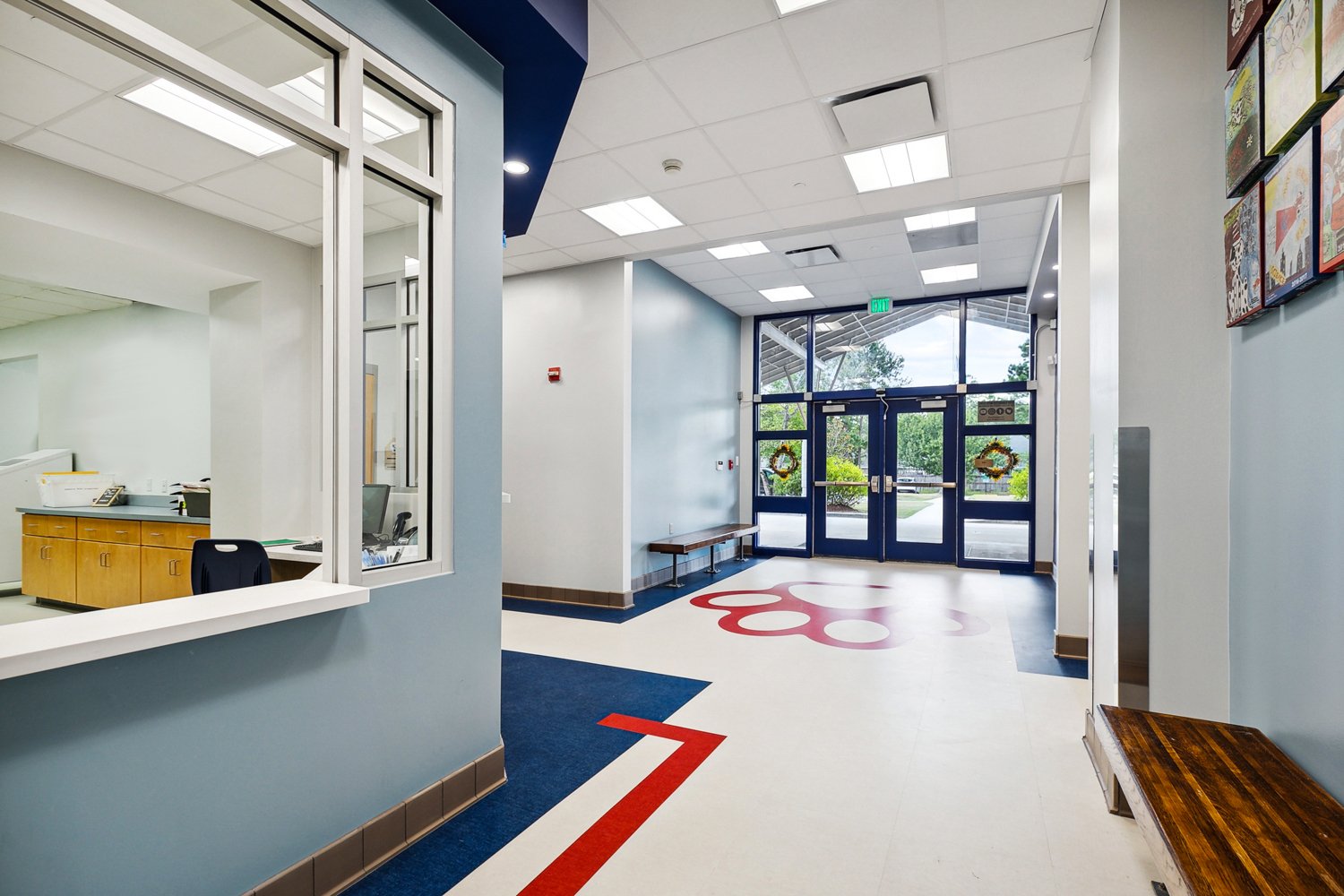
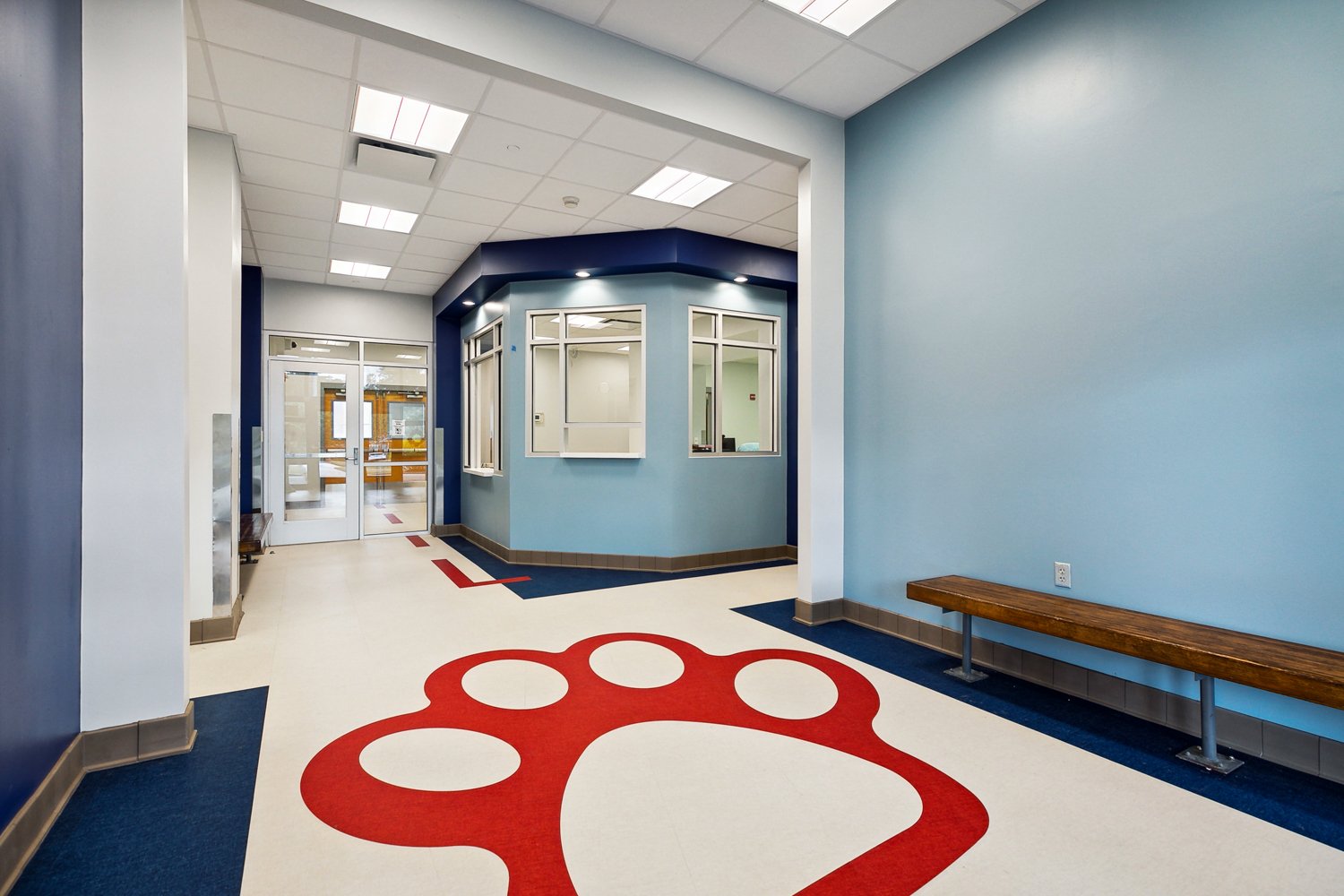
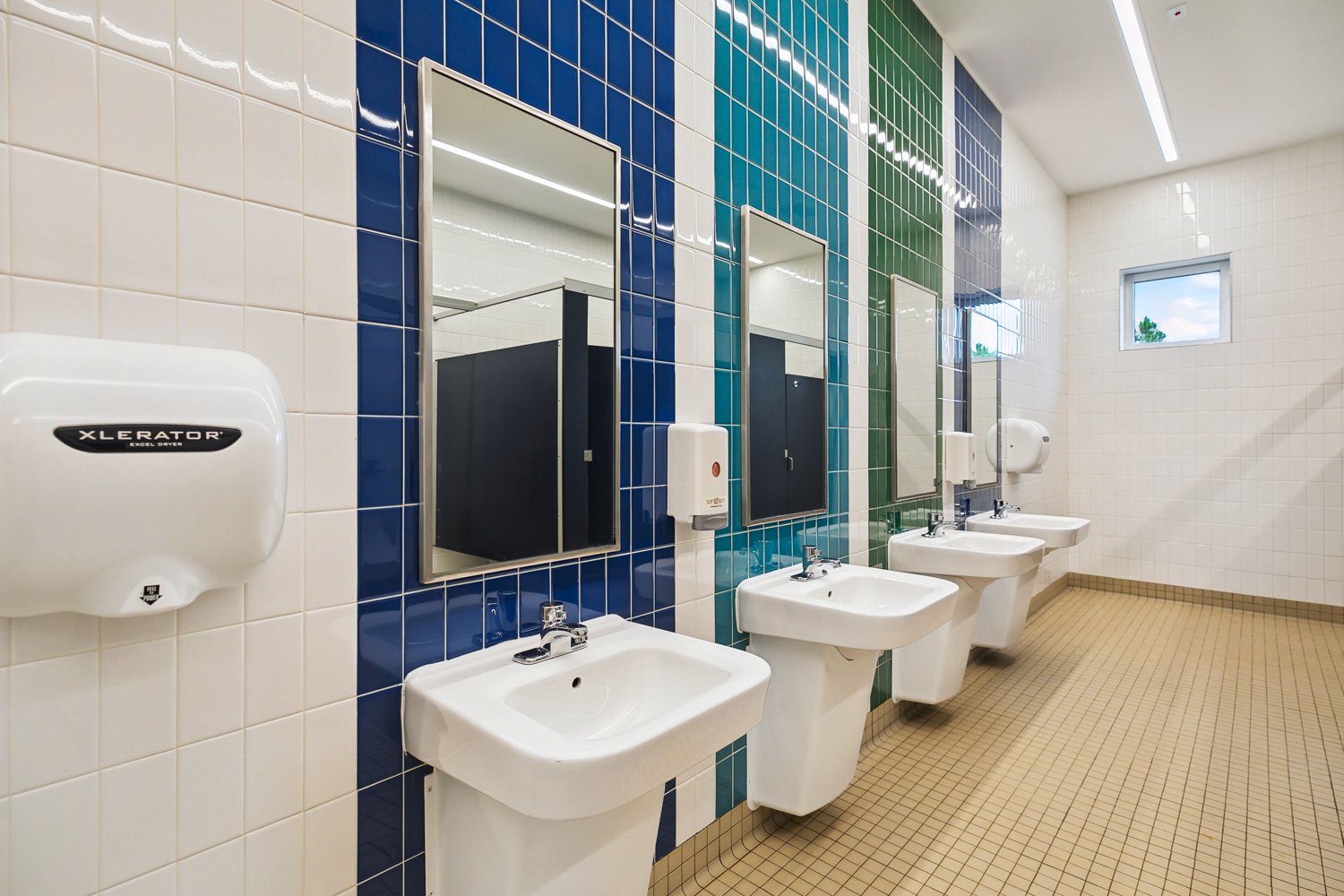
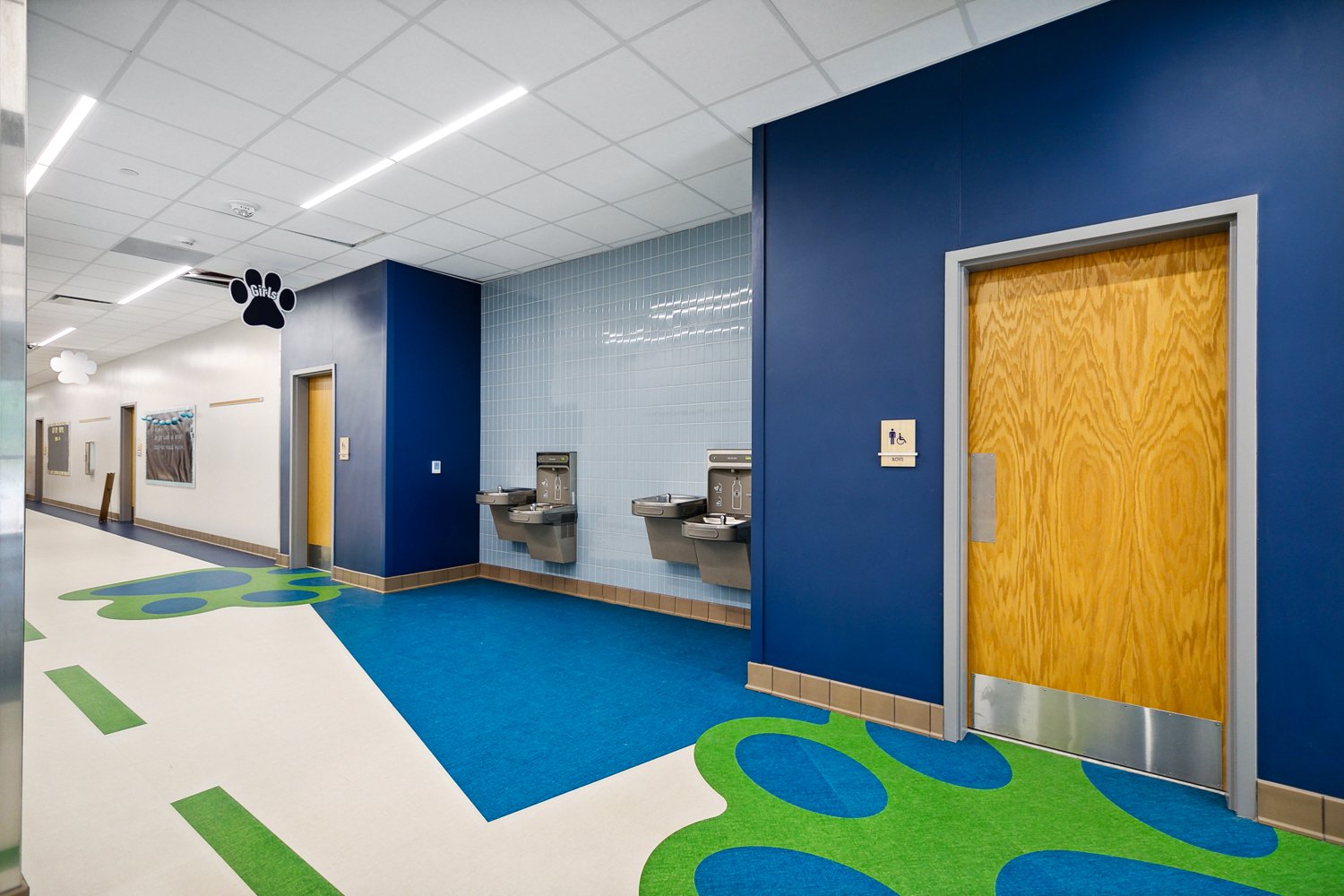
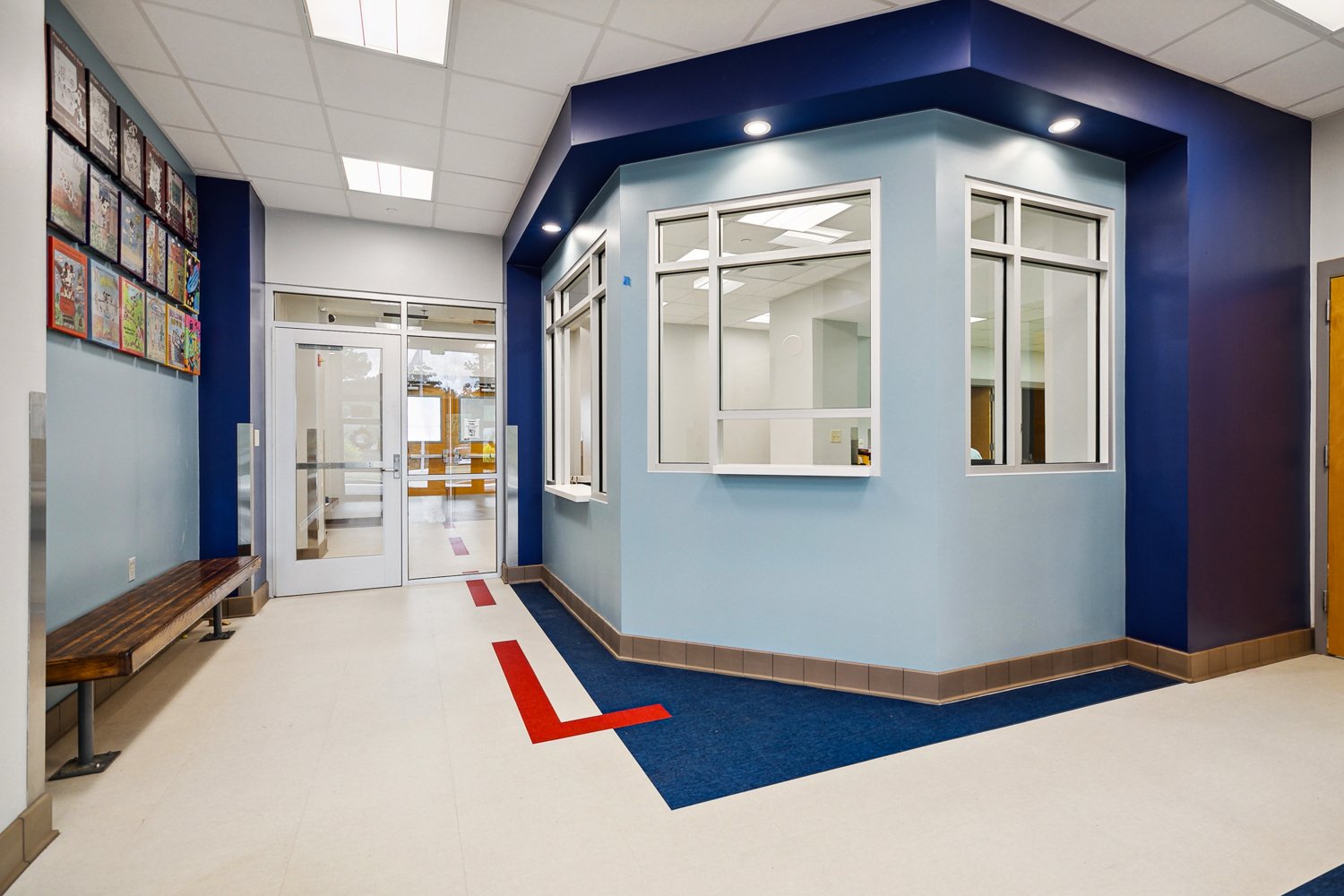
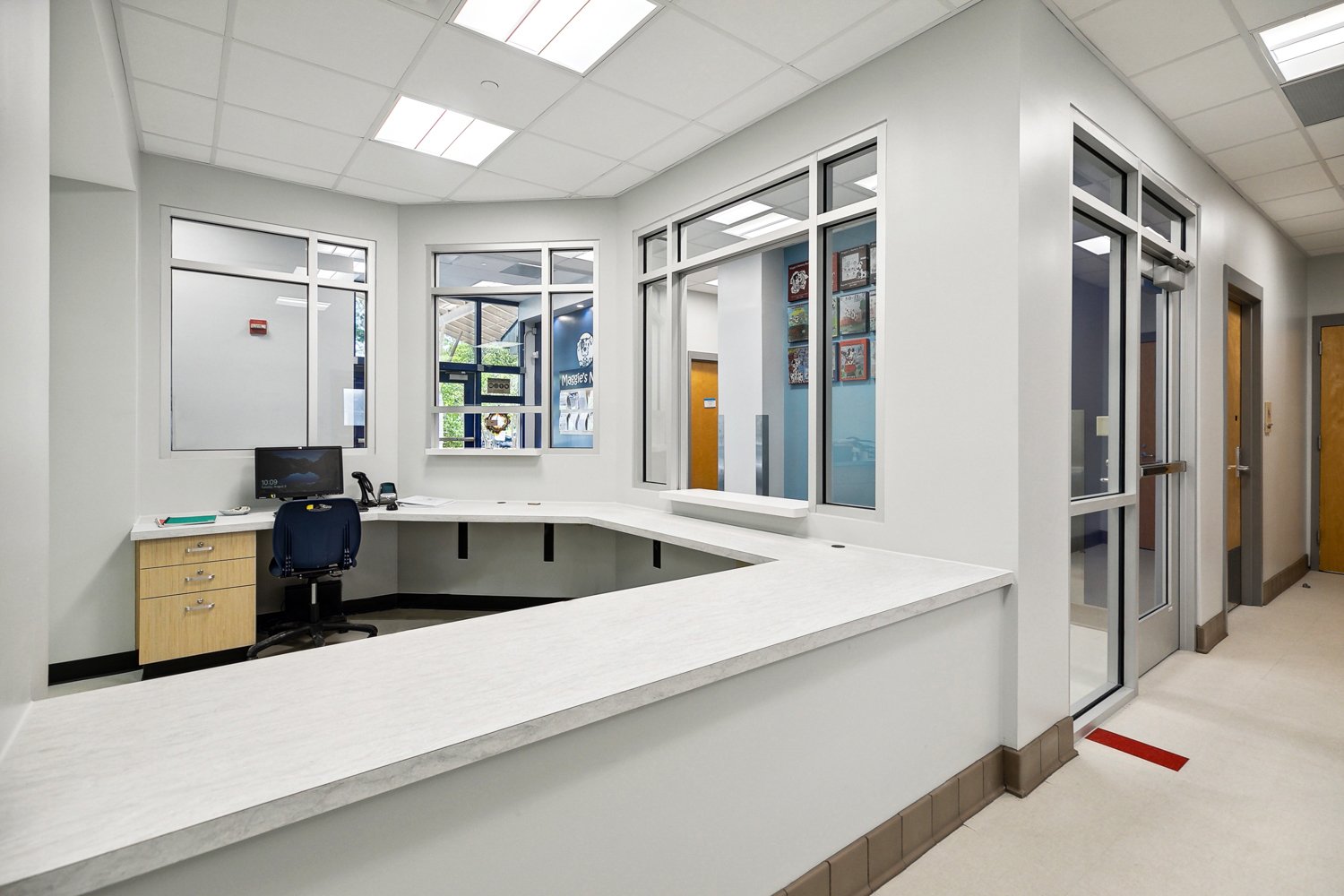
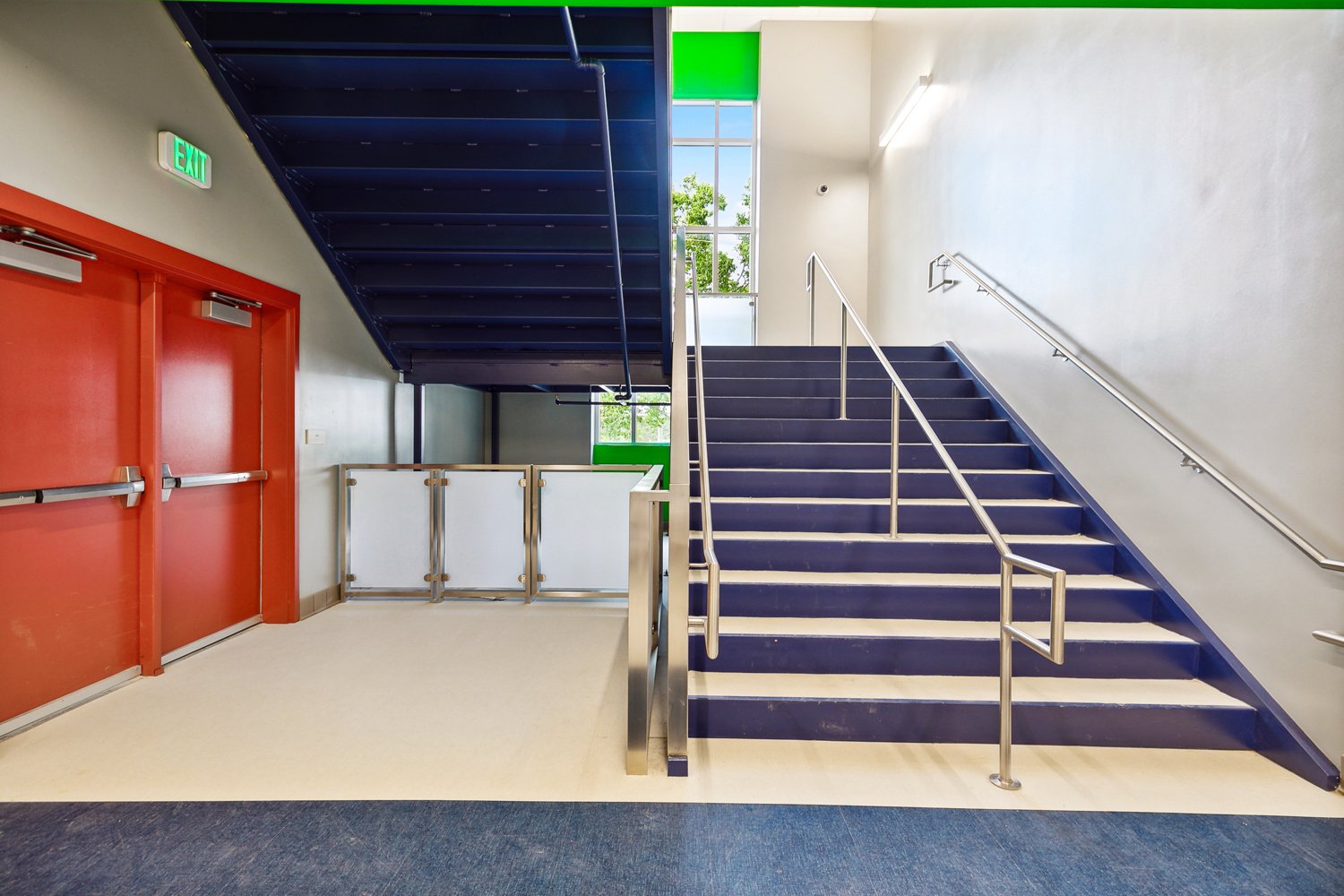

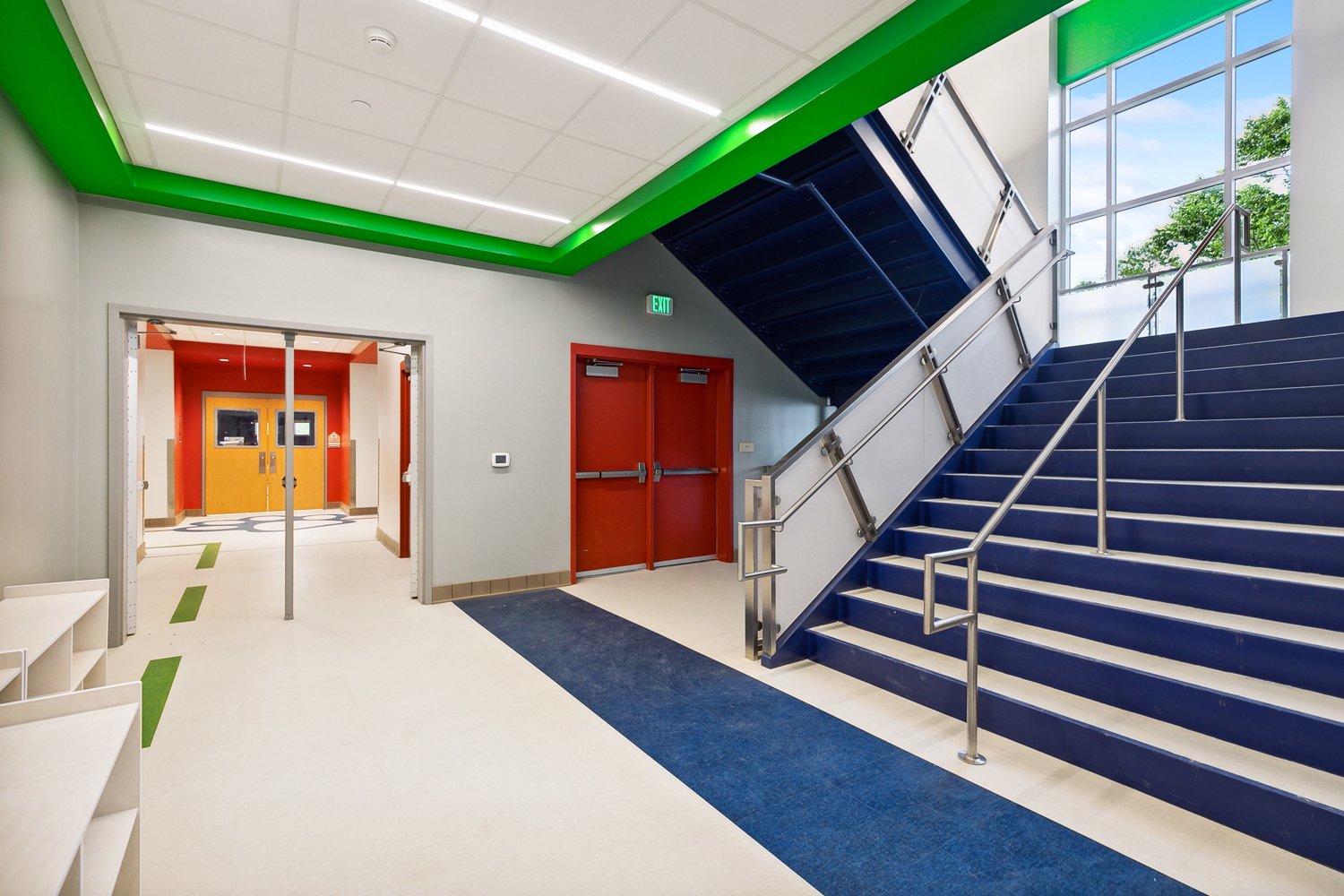
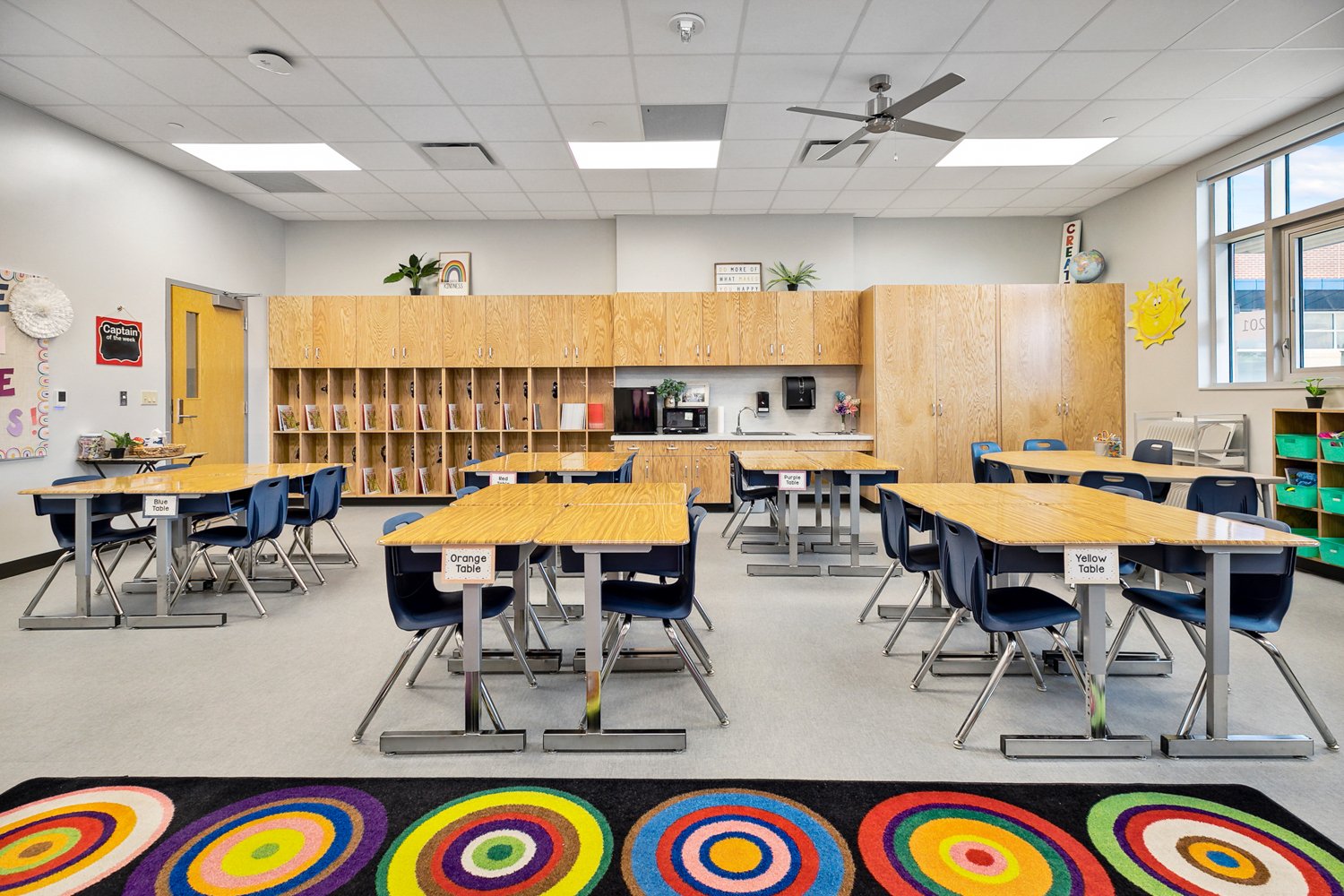

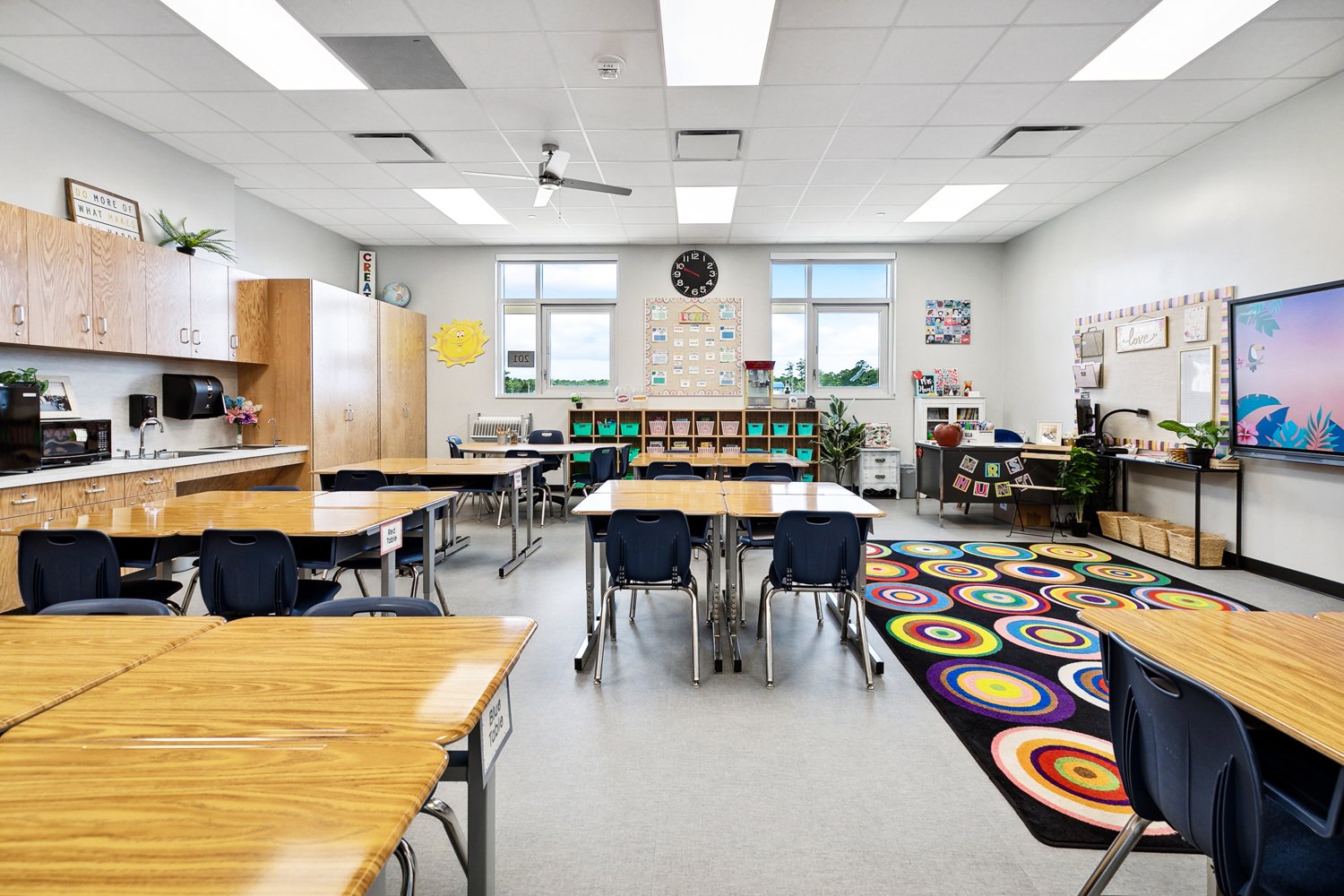
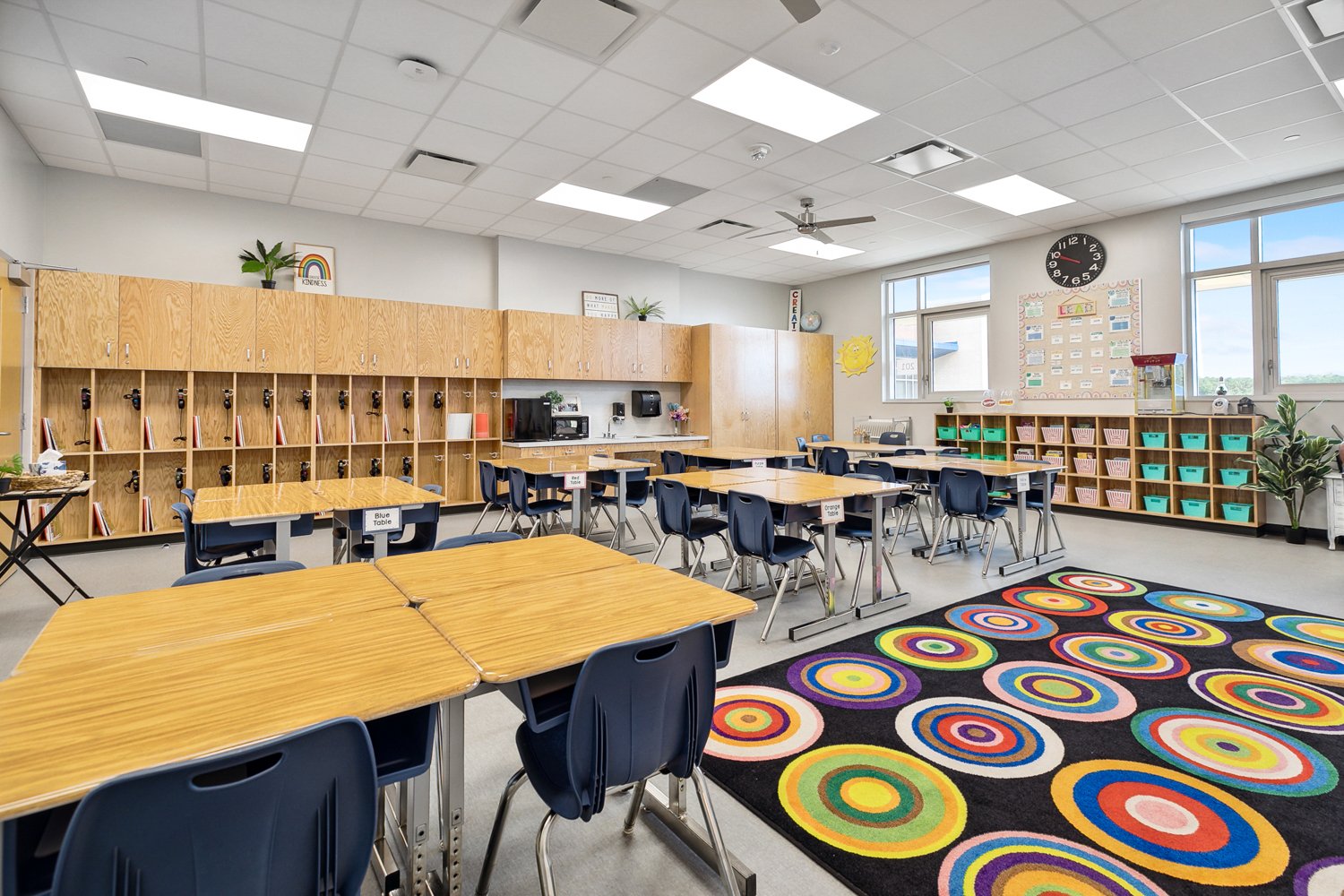
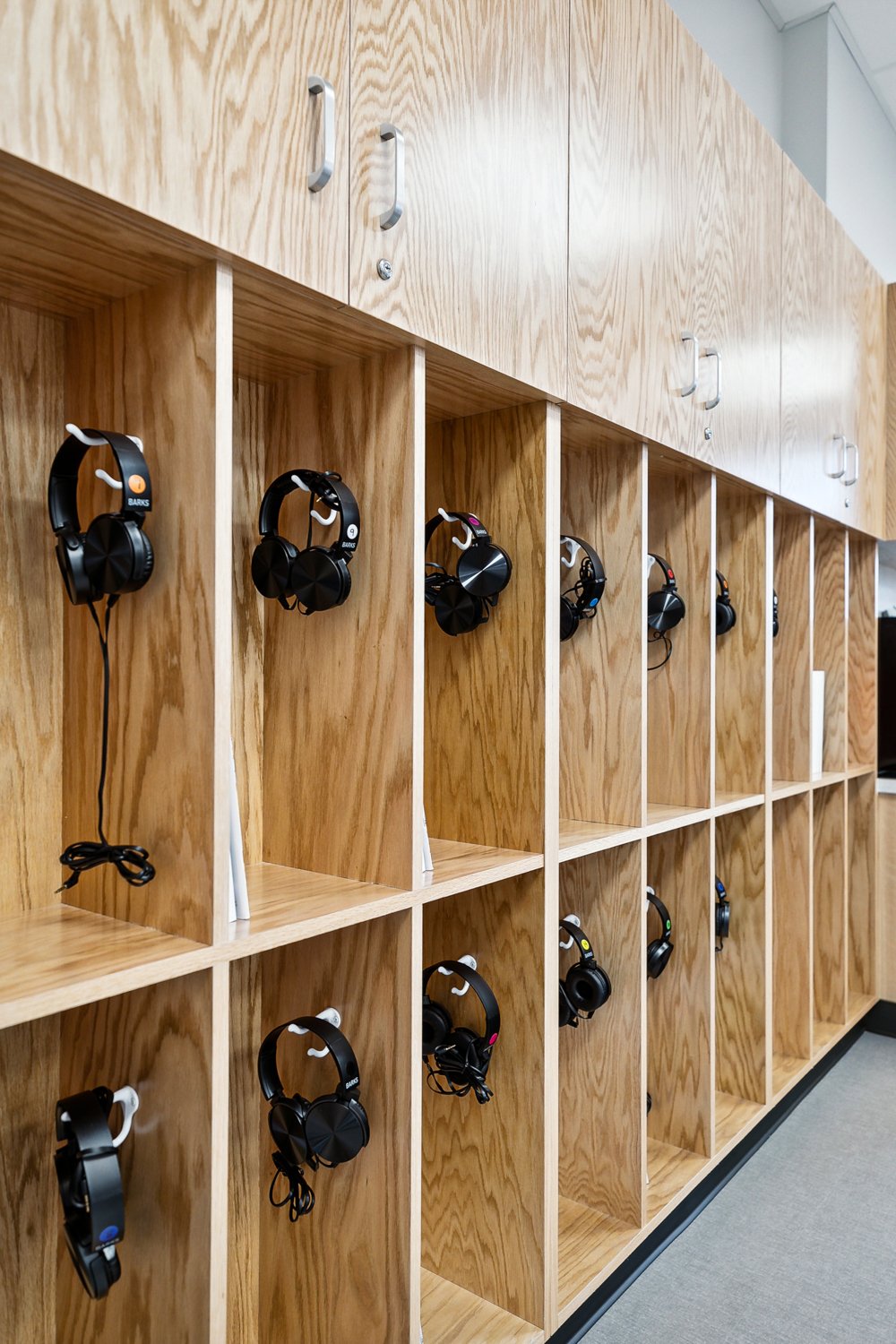


The work extended well beyond the new classroom wing. Existing areas of the school were renovated to improve administration, dining, music, circulation, accessibility, and wayfinding. Bold flooring patterns extend through the hallways to help students navigate the campus, while colorful stairwells and restrooms add visual identity throughout the school. The renovated music room incorporates an accessible stage that supports both classroom instruction and student performances, while improvements to the cafetorium and administration areas modernize spaces used every day by students, faculty, staff, and visitors.
Subsequent phases expanded the academic program further with a new media center and exterior courtyard. The media center provides a dedicated environment for reading, research, technology, and collaborative learning. The courtyard establishes three outdoor learning areas that give teachers and students opportunities to take instruction outside of the traditional classroom while creating a more defined center for the campus.
Delivering the project required continued coordination among the design team, School Board, school administration, contractor, and campus users. Construction progressed through the challenges of the COVID era while maintaining school operations, and the project was ultimately delivered on time and under budget. Rather than treating the addition and renovations as isolated improvements, the multi-phase approach allowed Magnolia Trace to address immediate enrollment needs while improving the organization, accessibility, functionality, and learning opportunities of the campus as a whole.


St. Scholastica Academy Athletic Complex
ATHLETIC COMPLEX RENOVATION + ADDITION
COVINGTON, LA
St. Scholastica Academy Athletic Complex
ATHLETIC COMPLEX RENOVATION + ADDITION
COVINGTON, LA

CLIENT: ST. SCHOLASTICA ACADEMY | LOCATION: COVINGTON, LA
Click on the image to enlarge. If viewing on a mobile device, please rotate your screen once the image is clicked to display full-screen.
St. Scholastica Academy engaged Greenleaf to develop a long-term master plan for a dedicated athletic complex that could support the school's growing athletic programs and provide its student-athletes with facilities of their own. Some teams relied on facilities at other schools, while portions of the school's undeveloped land were used for practice.
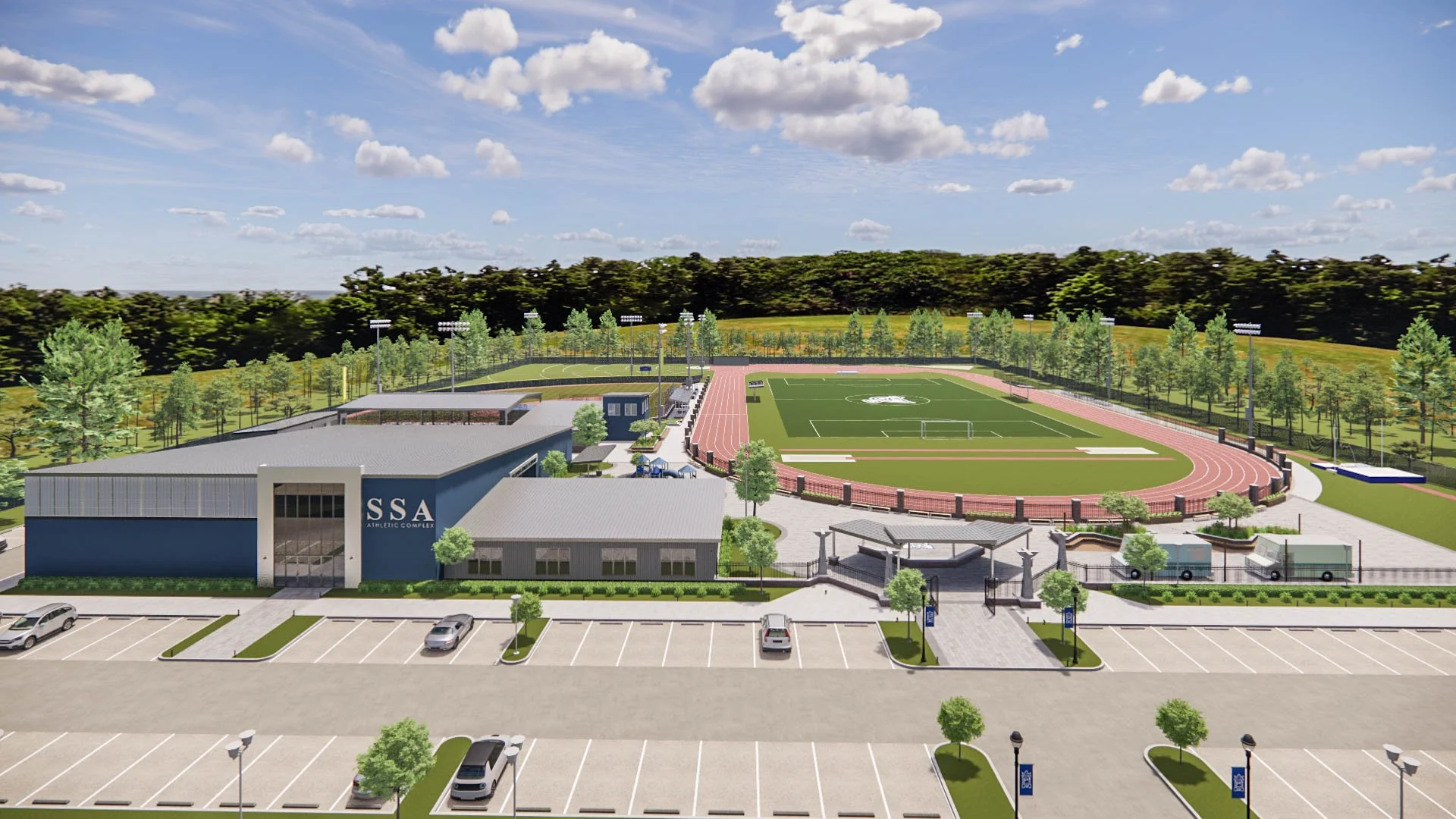
Rather than approach each sport or facility as an isolated project, Greenleaf developed an overall master plan that establishes where the major athletic components, supporting facilities, circulation, infrastructure, spectator areas, and future amenities will ultimately be located. The goal is to give SSA a clear framework for developing the complex over time while ensuring that each phase contributes to a cohesive final campus.
The plan incorporates a competition track and multi-purpose field, soccer facilities, softball facilities, batting cages, a field house, press facilities, athletic support spaces, spectator areas, playground and recreational components, and gathering areas for students, families, and visitors. The plan also considers how the campus functions during practices and events, including pedestrian circulation, service access, connections between venues, food truck and concession areas, and the overall arrival experience.
Because an athletic complex of this scale represents a significant investment, the master plan was intentionally structured for phased implementation. This allows St. Scholastica to move forward as funding and priorities permit without losing sight of the long-term vision. Infrastructure, site organization, and future facility locations are planned in advance so that completed work does not have to be relocated or undone as later phases are constructed.


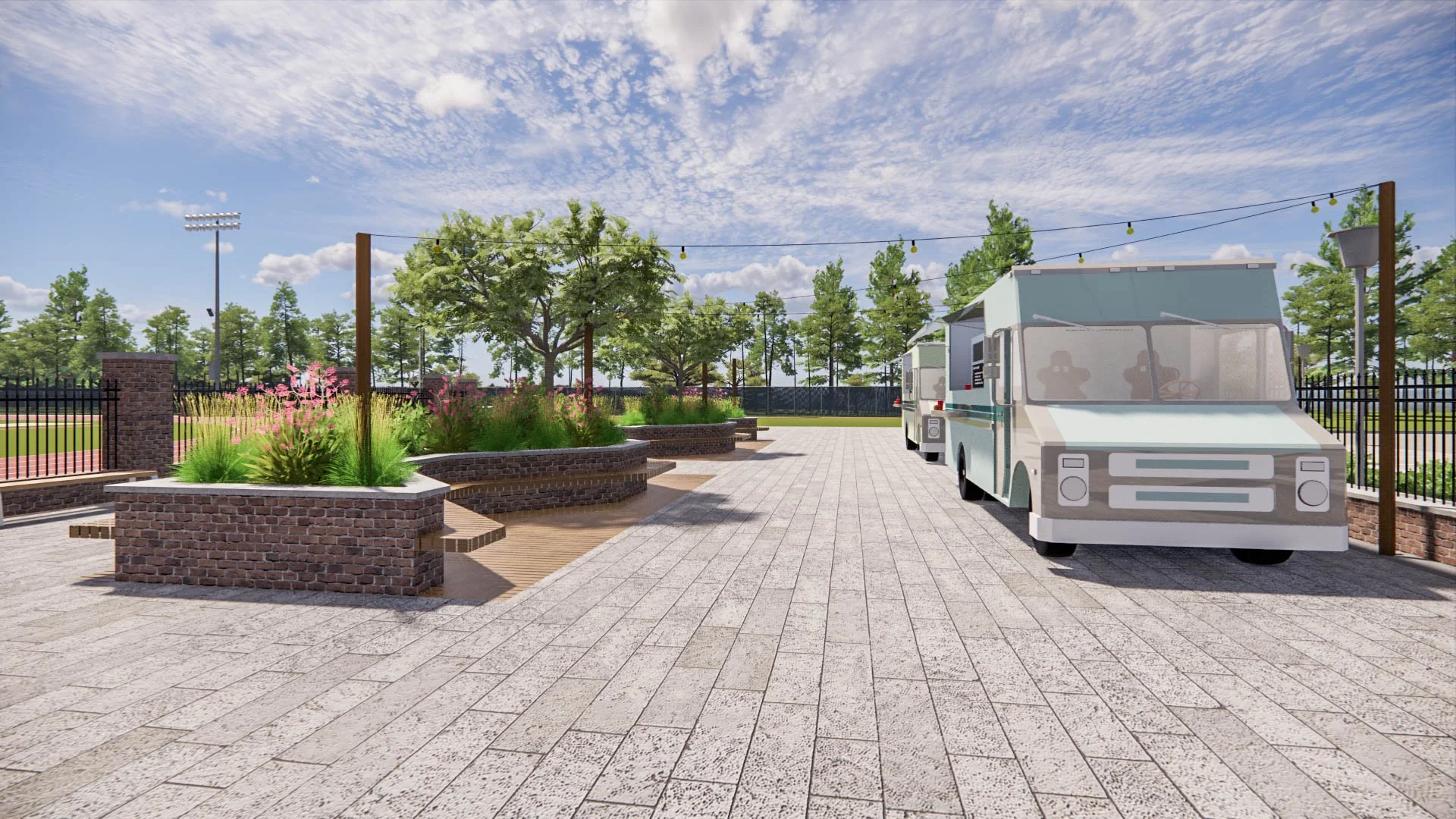
Phase One completed the competition track and field portion of the master plan, giving SSA its first dedicated track and field facility and establishing the first major piece of the future athletic campus. The new facility immediately improved access for those programs while also beginning the larger transformation of the site.
Future phases will continue to build out the master plan with additional competition, practice, support, and spectator facilities. As those pieces are completed, the property will develop into a comprehensive athletic complex capable of serving multiple sports, athletes, coaches, families, and school events. The project gives St. Scholastica more than a collection of individual athletic facilities. It provides a roadmap for investing in athletics strategically over time, with every phase planned as part of the larger vision from the beginning.
St. Scholastica Academy Library
COVINGTON, LA
St. Scholastica Academy Library
COVINGTON, LA
CLIENT: ST. SCHOLASTICA ACADEMY | LOCATION: COVINGTON, LA

Sheri Gillio Head of School, Retired St. Scholastica Academy
“Greenleaf Architects demonstrated an exceptional ability to listen carefully to the needs of our school community. They approached each project with a collaborative mindset, respecting both the mission of our Catholic, all-girls institution and the practical needs of our students and faculty. Their design solutions reflected a thoughtful balance between tradition and innovation. Additionally, their ability to manage timelines and communicate clearly made the process smooth and efficient, even when navigating the challenges that often arise in school construction.”
Click on the image to enlarge. If viewing on a mobile device, please rotate your screen once the image is clicked to display full-screen.
St. Scholastica Academy's existing library had served the school for years, but its traditional layout no longer made the best use of the space available. Rather than simply updating finishes within the existing configuration, SSA used the renovation as an opportunity to rethink how the entire 6,700-square-foot library and classroom area could support the school's current academic needs.
Supported by an ambitious fundraising campaign, Greenleaf reorganized the former single-use library into a multi-functional educational environment that combines a modernized library with three new classrooms, an innovation lab, a student media center, and a student lounge.
The redesign divides the larger area into dedicated zones supporting different types of activity throughout the school day. The library continues to provide areas for reading, research, and focused study, while the new classrooms expand the academic capacity of the space. The innovation lab provides an environment for hands-on learning and technology-based activities, and the student media center creates dedicated space for communications and media-related programs. A student lounge adds an informal area where students can gather and interact between classes.


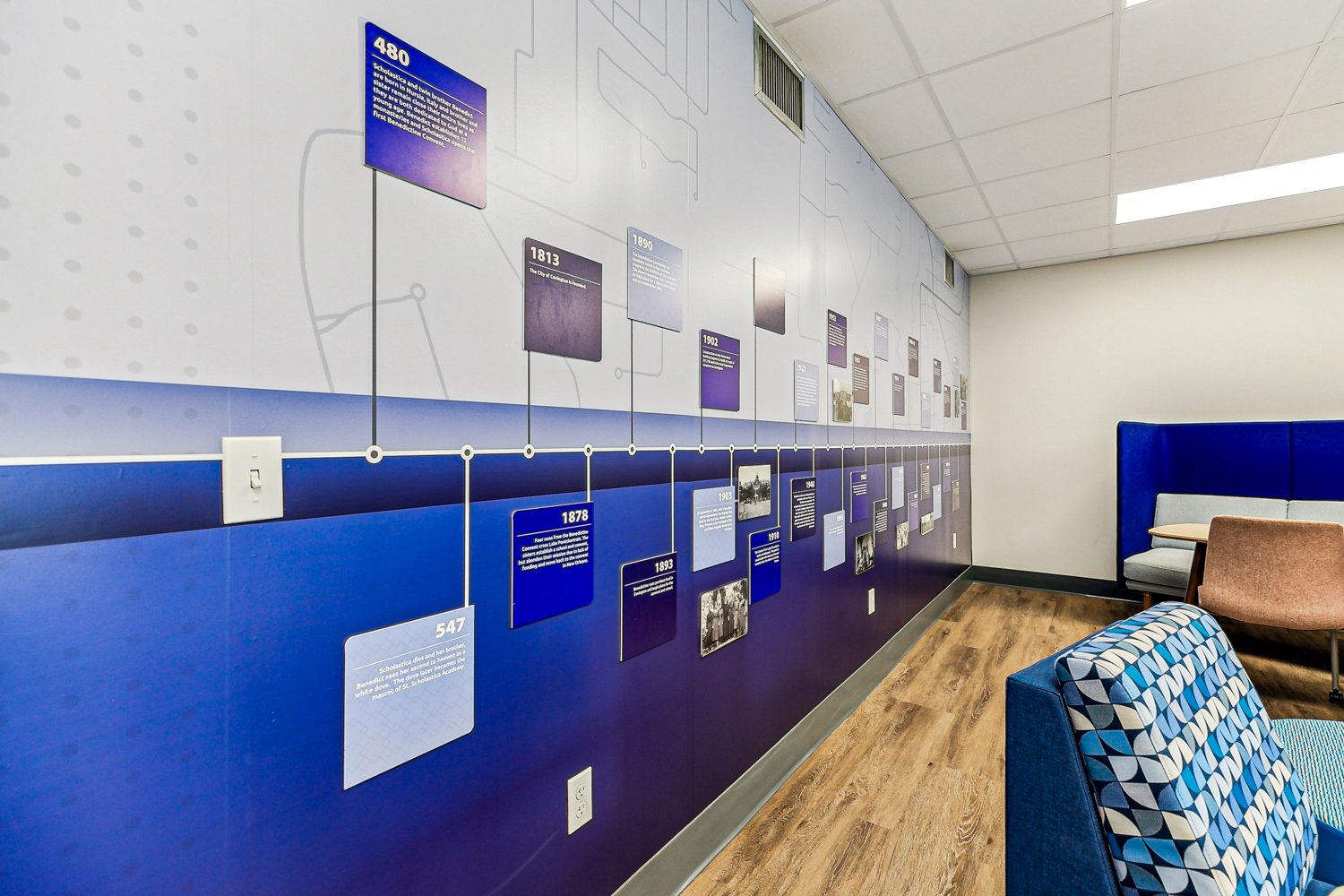


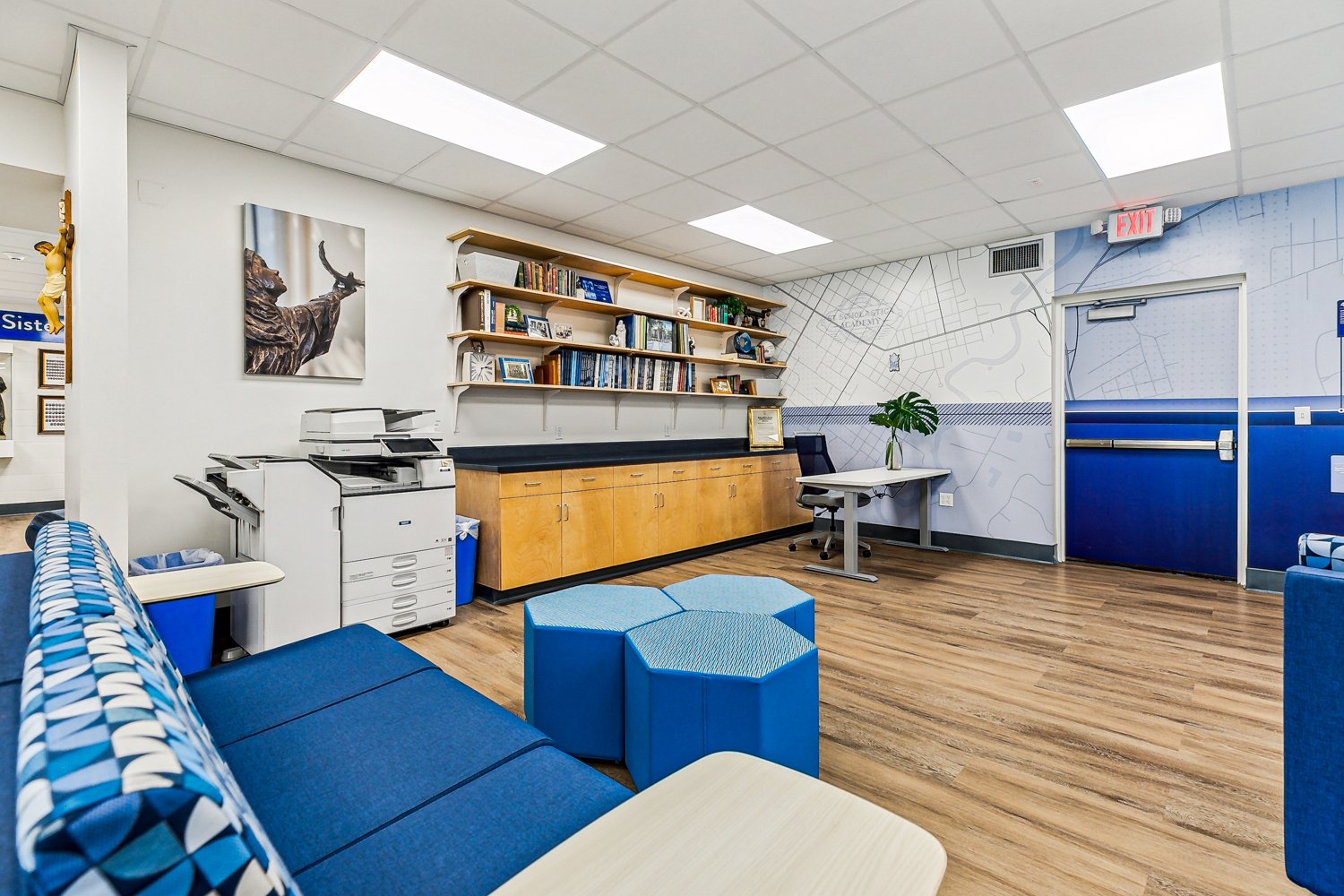
Upgraded finishes, lighting, furniture, equipment, and technology support the new program while bringing the existing facility in line with contemporary educational needs. Particular attention was given to spatial organization so classroom instruction, collaborative work, technology use, informal gathering, and quiet study can occur within the same overall area without competing for space.
The renovation demonstrates how an existing campus can gain significant new functionality without adding square footage. By reorganizing a space the school already had, the project converts an older library into a much broader academic resource capable of serving students in several different ways throughout the day.
The project also has a personal connection to Greenleaf. Three St. Scholastica alumnae were members of the Greenleaf project team, bringing their own familiarity with the school and campus to the renovation of a space that will serve the next generation of SSA students.

Saint Paul's Dining Hall Renovations + Expansion
COVINGTON, LA
Saint Paul's Dining Hall Renovations + Expansion
COVINGTON, LA

CLIENT: SAINT PAUL’S CATHOLIC SCHOOL | LOCATION: COVINGTON, LA

Trevor Watkins Advisor to the President Saint Paul’s Catholic School
“A defining factor in this project was schedule management. As an active school, it was essential that construction activities align with the academic calendar. Greenleaf demonstrated a strong understanding of these operational needs, strategically advancing the work during the summer months so that students could return to a completed and functional facility at the start of the school year. Their flexibility, planning, and sensitivity to end users ensured minimal disruption and a smooth transition.”
Click on the image to enlarge. If viewing on a mobile device, please rotate your screen once the image is clicked to display full-screen.
Saint Paul's Catholic School worked with Greenleaf to renovate and expand one of the campus's most heavily used shared spaces. The dining hall needed to better support daily meal service while also functioning as a comfortable gathering place for students, faculty, staff, and campus activities.
The project renovated the existing dining environment and expanded the facility with additional space and a new outdoor seating area. Improvements refreshed the interior, provided greater capacity and flexibility, and extended student gathering opportunities outside of the building.
Completing that work on an active school campus required the construction strategy to be considered alongside the design from the beginning. Saint Paul's could not simply shut down normal campus activities for the duration of the renovation, so Greenleaf and the project team coordinated construction sequencing, access, temporary conditions, and disruptive work around the academic calendar.


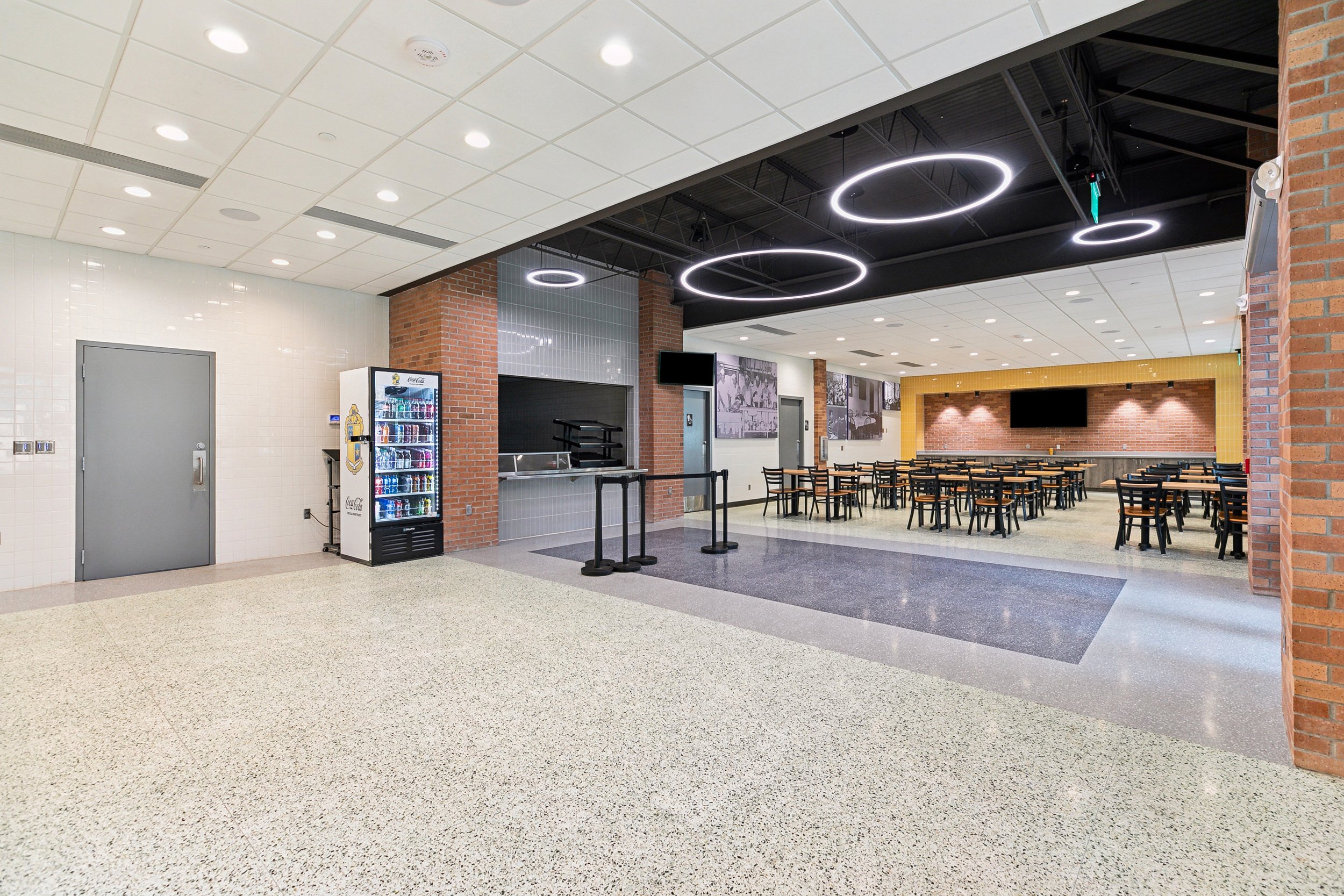


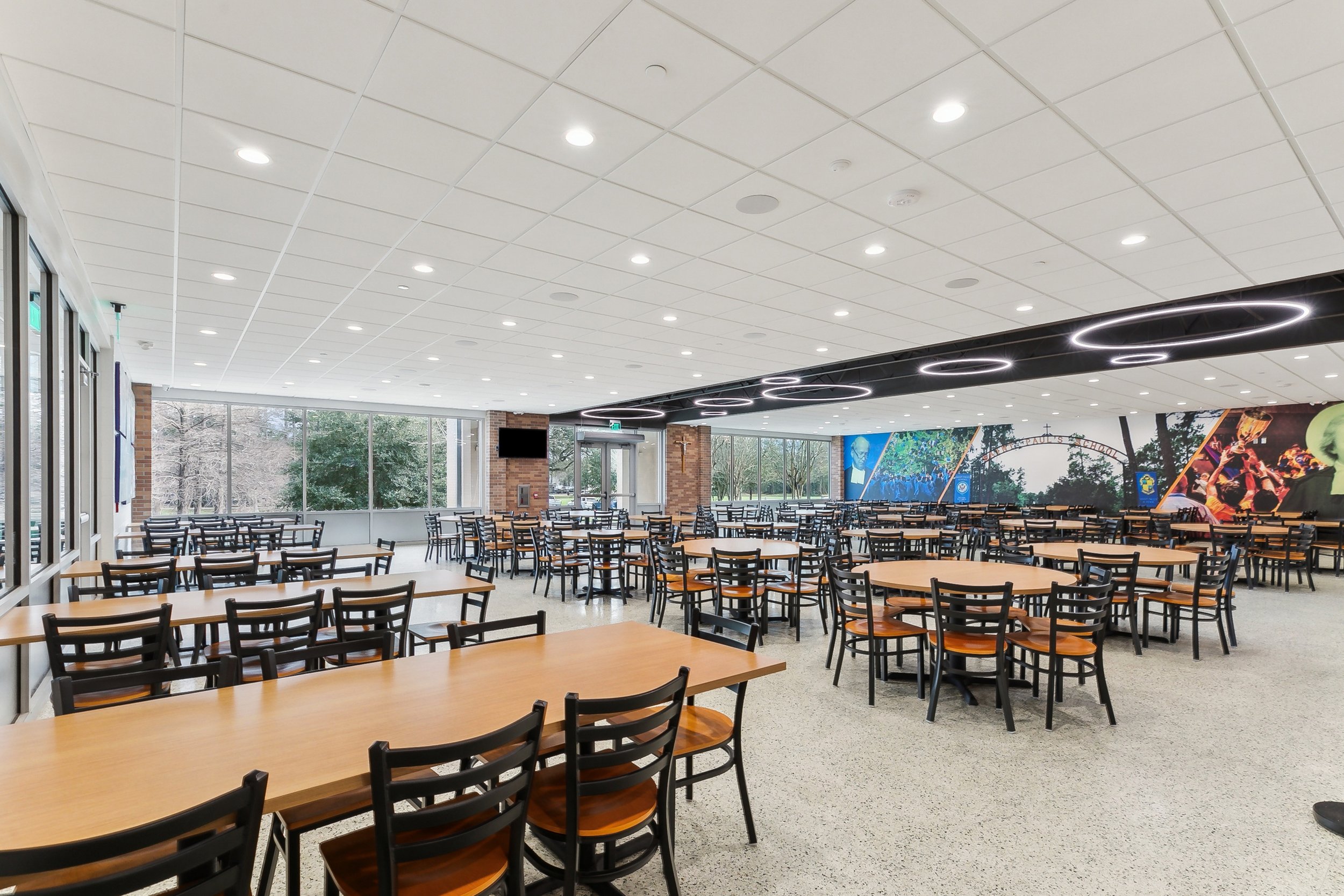


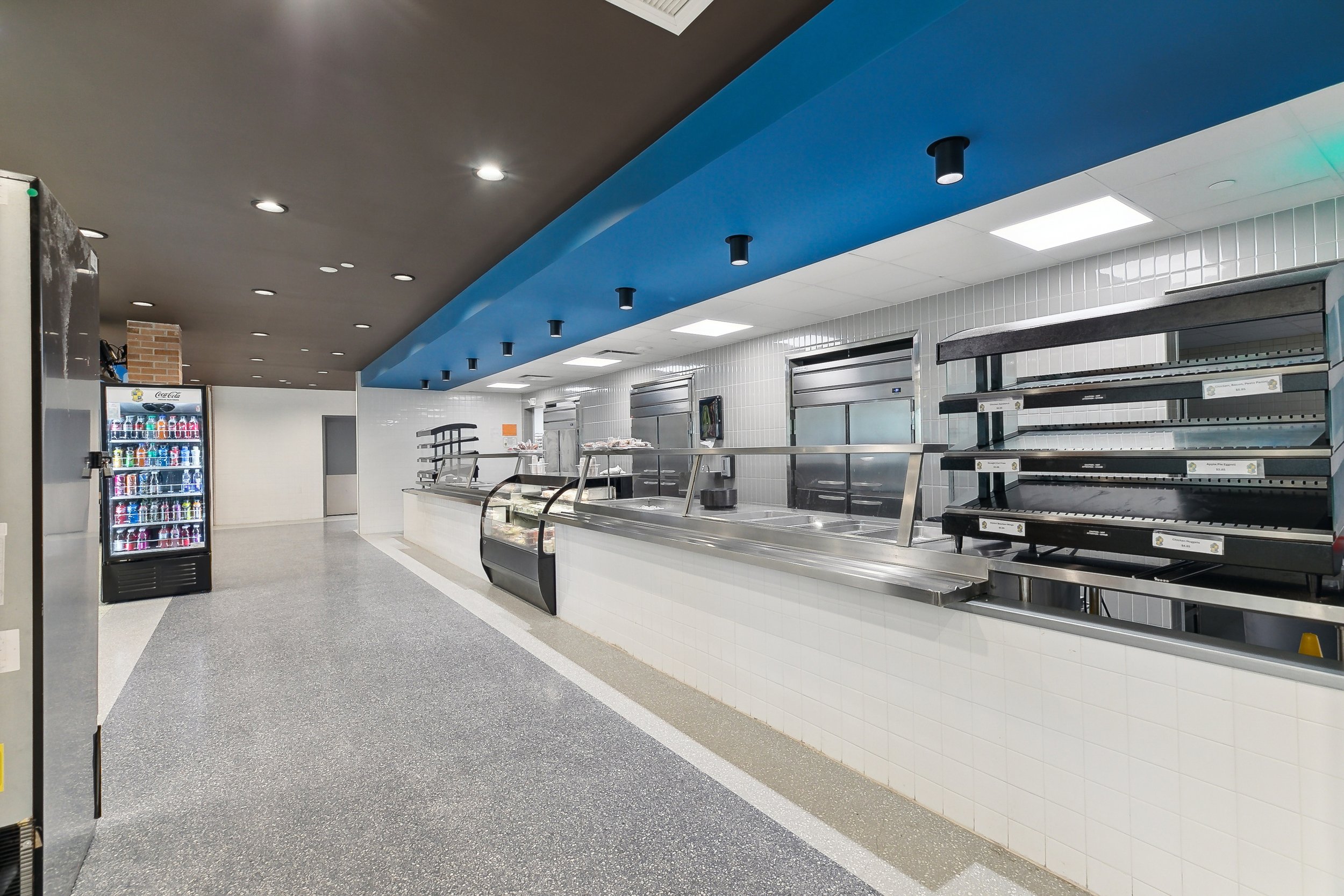

Significant work was advanced during the summer, with construction continuing in phases through the first semester. School breaks and available construction windows were used where possible to reduce impacts on students and daily operations. The renovated and expanded dining hall was completed and placed into service at the beginning of the second semester.
The project gave Saint Paul's an updated dining facility, additional gathering space, and a stronger connection to outdoor campus areas while allowing the school to continue its normal academic operations throughout construction. The same attention given to the finished space was applied to how the project would actually be built within an occupied school.


St. Michael's Episcopal Church
MANDEVILLE, LA
St. Michael's Episcopal Church
MANDEVILLE, LA

CLIENT: ST. MICHAEL’S EPISCOPAL CHURCH | LOCATION: MANDEVILLE, LA
Click on the image to enlarge. If viewing on a mobile device, please rotate your screen once the image is clicked to display full-screen.
St. Michael's Episcopal Church engaged Greenleaf to evaluate its approximately 12-acre property and establish a long-term master plan for improving the existing church and school campus. The property faced practical site issues, particularly stormwater drainage and access, while the church also needed a framework that would allow future improvements to be implemented gradually as priorities and funding allowed.
Greenleaf began with an assessment of the existing site and worked with the owner, project consultants, adjacent property owners, and Parish Planning + Zoning to develop a coordinated approach to stormwater, circulation, and future development.
Drainage was one of the most immediate concerns. Rather than treating stormwater improvements as an isolated site project, the team evaluated how drainage solutions would affect future buildings, roadways, school circulation, landscape, and the long-term organization of the campus. The resulting strategy addressed existing drainage concerns while seeking a cost-effective solution with limited environmental impact and preserving significant heritage trees throughout the property.


At the same time, Greenleaf developed a master plan to better organize the school portion of the campus and establish locations for future church and school improvements. Because St. Michael's expects to implement the work over multiple phases, the plan considers how each project can solve an immediate need while still supporting the ultimate configuration of the property.
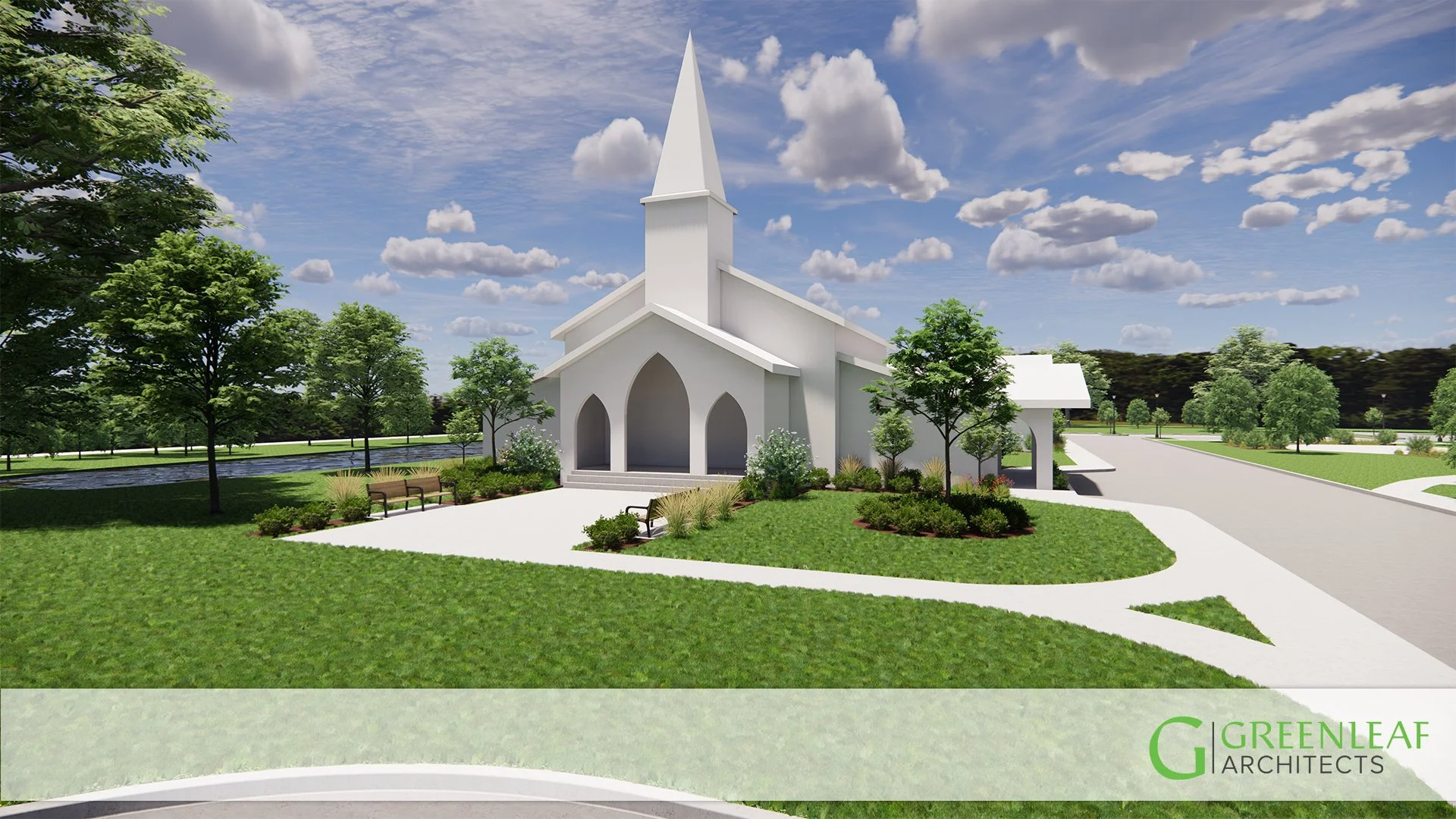
Initial implementation has focused on critical drainage and site access improvements. Future phases are planned to continue improving campus circulation and connectivity, including an additional roadway dedicated to school pick-up and a pavilion that will connect existing facilities and provide another shared space for the church and school community.
Planning the infrastructure, drainage, circulation, landscape, and future building relationships together gives St. Michael's a framework it can continue to follow as resources become available. Instead of solving each campus issue independently, the master plan allows the church and school to make gradual improvements while working toward one coordinated long-term vision.